Biodiversity is our planet’s display of life in all its magnificent and varied forms—from 8.7 million species big and small, to the wide range of ecosystems as high as rainforest canopies and as low as the ocean floor.
The challenge is…this swirling, interconnected kaleidoscope of life is disappearing at a pace not seen since the dinosaurs went extinct.
The good news? The more we know about biodiversity the better we can protect it…


Some ecosystems are biodiversity superstars—dazzling with life and supporting our planet in extraordinary ways.
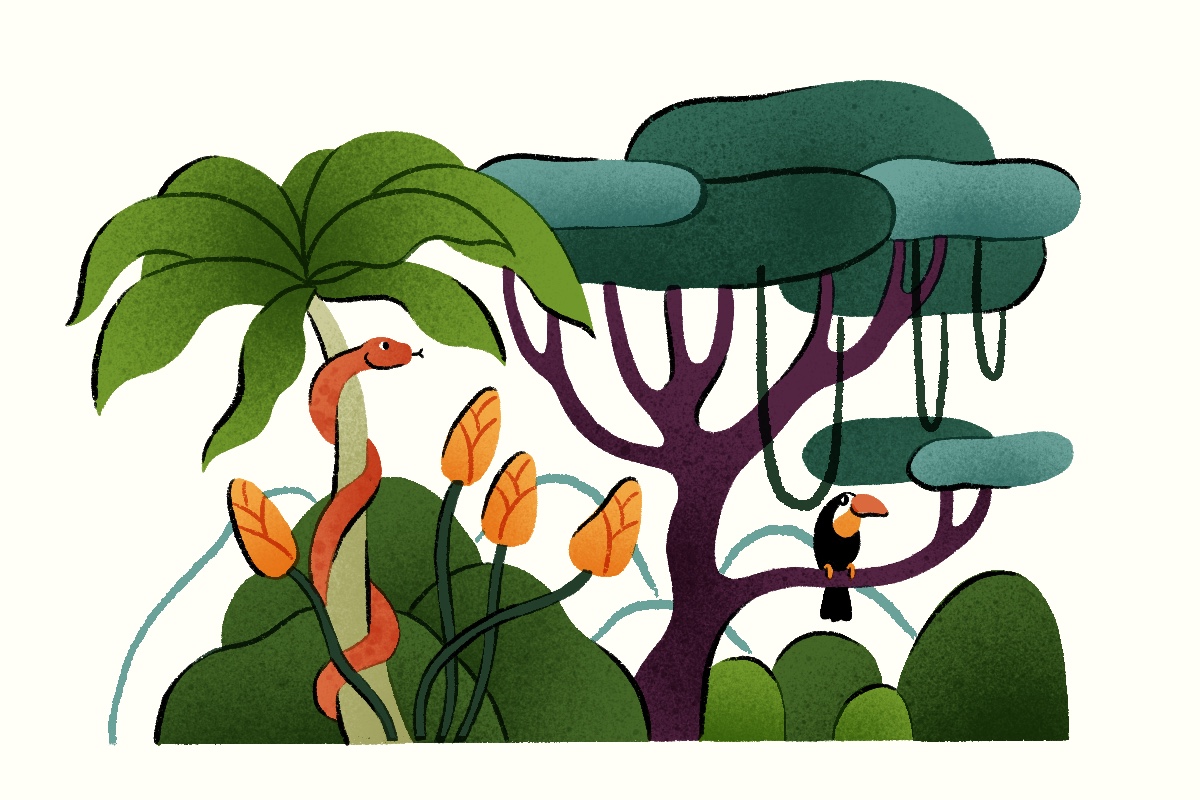
Forests
Forests are treasure troves of life, sheltering over 80% of land species. They clean our air and water, stabilize our climate, and are home to Indigenous Peoples and sustain their cultural traditions. Intact forests are especially precious when it comes to protecting nature’s balance of diverse life—yet between 2000 and 2020, 12% disappeared, an area greater than California and Alaska combined.
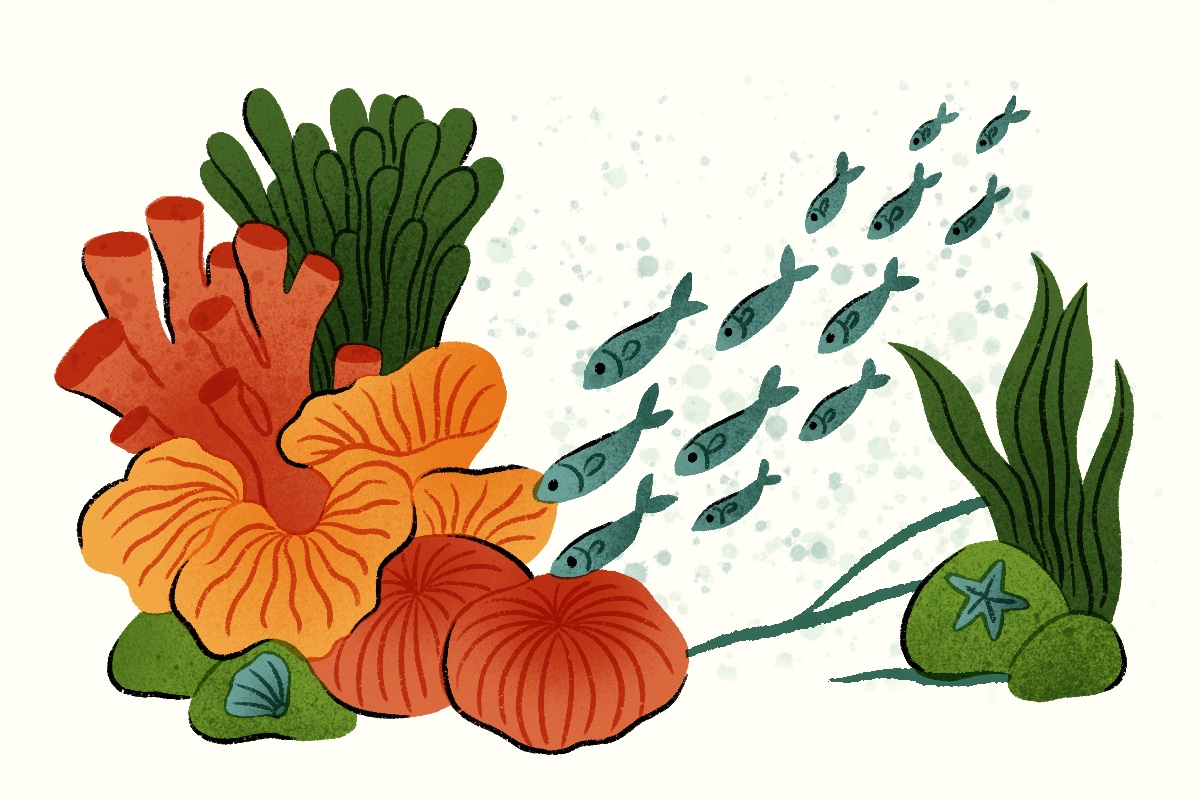
Ocean
Stretching across 70% of Earth’s surface, oceans teem with life—from tiny drifting plankton to massive spouting whales. Oceans absorb heat, slow rapid swings in climate, and feed billions of people. But here’s the intrigue: Only about a quarter of the seafloor has been mapped—leaving much of this underwater world a mystery.
Biodiversity isn’t just the planet’s beautiful backdrop—it plays starring roles in keeping life aglow.
Our life support system: Biodiversity provides the air we breathe, the water we drink, and the food we eat through processes like pollination, water purification, and soil renewal—making life on Earth possible.
A source of innovation: Many of our medicines, materials, and scientific discoveries come from nature’s vast diversity of species. Thanks to fungi, we have penicillin. Tree bark gave us quinine to treat malaria. Countless undiscovered natural compounds could unlock the cures of tomorrow.


Climate ally: Diverse ecosystems absorb and store carbon and are more resilient to storms, fires, and shifting weather. When biodiversity weakens, the planet’s defenses crumble.
Economic foundation: Billions of people across the globe rely on natural resources for income, fuel, and food.
Cultural and spiritual muse: Nature inspires art, tradition, and identity across societies—shaping who we are and how we live.
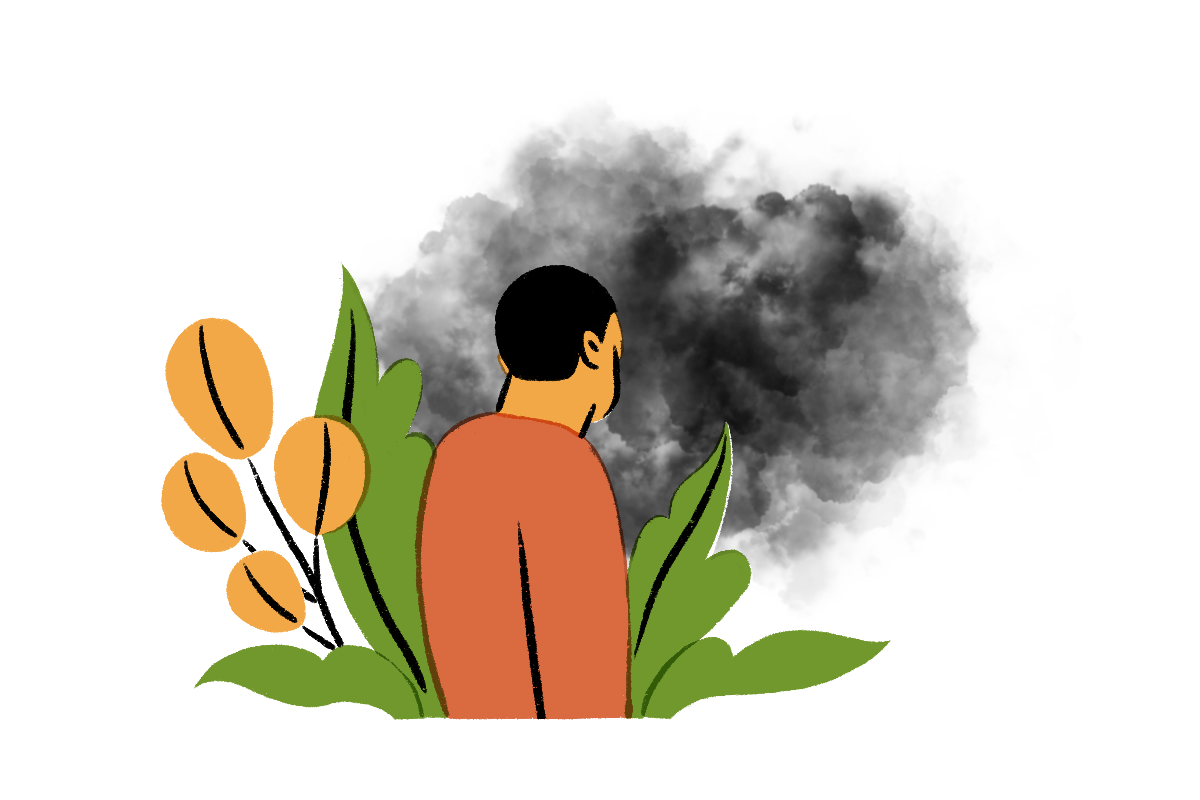
Human activity has already reduced biodiversity globally on 70% of ice-free land. We’re not only wiping out wildlife, we’re accelerating climate change and threatening our own health, food sources, and economy.
Can you name 6 key causes of biodiversity loss?
Hover to fill in the blanks.
Climate
Change
Rising temperatures push species past their ability to adapt, and also fuel extreme weatherlike wildfires, droughts, and floods—that can wipe out entire habitats.
C______
C_____
Rising temperatures push species past their ability to adapt, and also fuel extreme weather—like wildfires, droughts, and floods—that can wipe out entire habitats.
Invasive
Species
When plants or animals are brought to new places, they can spread quickly, outcompete native species for food and space, and damage whole ecosystems.
Inv_____
S_____s
When plants or animals are brought to new places, they can spread quickly, outcompete native species for food and space, and damage whole ecosystems.
Habitat
Loss
When forests are cut down, wetlands are drained, or land is cleared to build cities and farms, fewer species survive.
Hab___
L__s
When forests are cut down, wetlands are drained, or land is cleared to build cities and farms, fewer species survive.
Exploitation
When people take too much from nature—like overfishing or illegal logging—species can’t recover fast enough and entire ecosystems fall out of balance.
Exp____ta___n
When people take too much from nature—like overfishing or illegal logging—species can’t recover fast enough and entire ecosystems fall out of balance.
Industrialization
Growing human populations and unsustainable consumption habits rely on factories and transportation that compete for precious resources that wildlife depends on.
In_________zation
Growing human populations and unsustainable consumption habits rely on factories and transportation that compete for precious resources that wildlife depends on.
Pollution
Chemicals, plastics, and waste from farms, factories, and cities poison the air, water, and soil—and can make it impossible for plants and animals to survive.
_oll___n
Chemicals, plastics, and waste from farms, factories, and cities poison the air, water, and soil—and can make it impossible for plants and animals to survive.


Our oceans are bustling with hidden life—242,000 marine species have already been identified, and scientists suspect 1 to 2 million more could be discovered. But this vast universe shares a common foe. Plastic waste—80% of all ocean pollution—is everywhere. It’s tangling sea turtles, filling whales’ stomachs, littering the ocean floor, and spreading microplastics that toxify entire food chains. If trends continue, fragile ecosystems could collapse–and so could food security for billions of people.
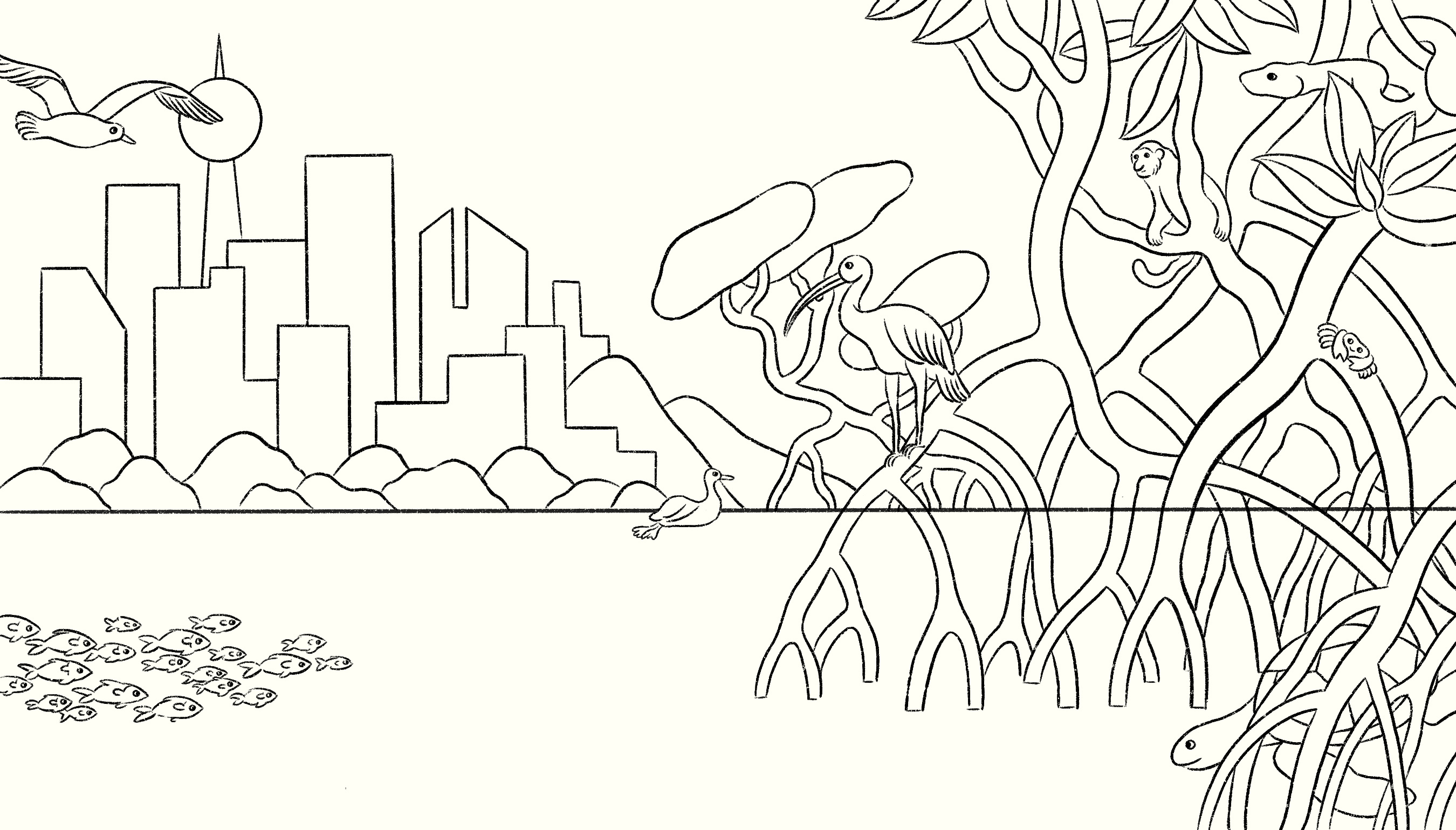
When citydwellers can easily get to nature, they lead happier, healthier lives. But rapid urban growth is trampling biodiversity.
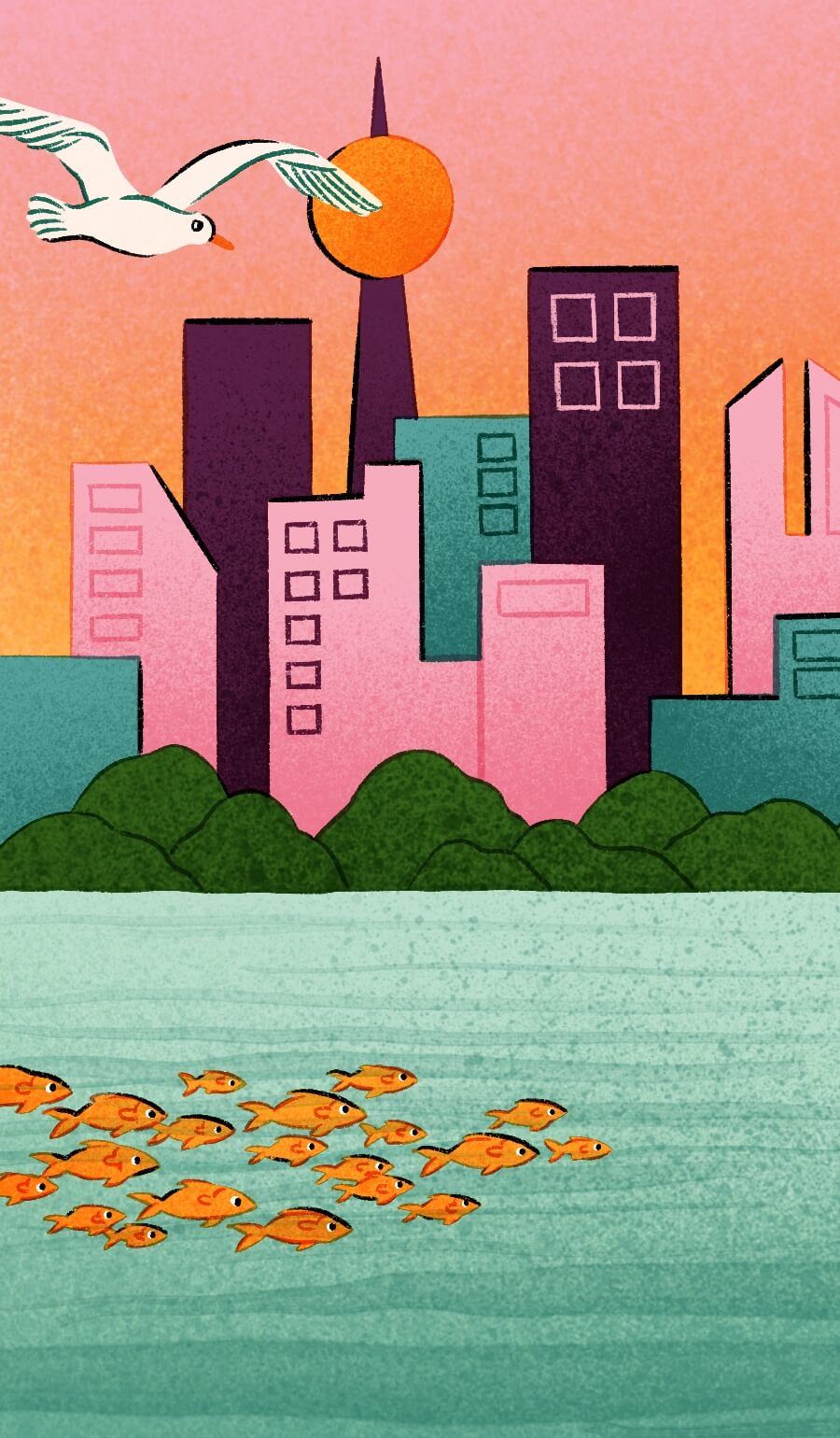
By 2050, the UN predicts that 68% of all people will live in urban areas.
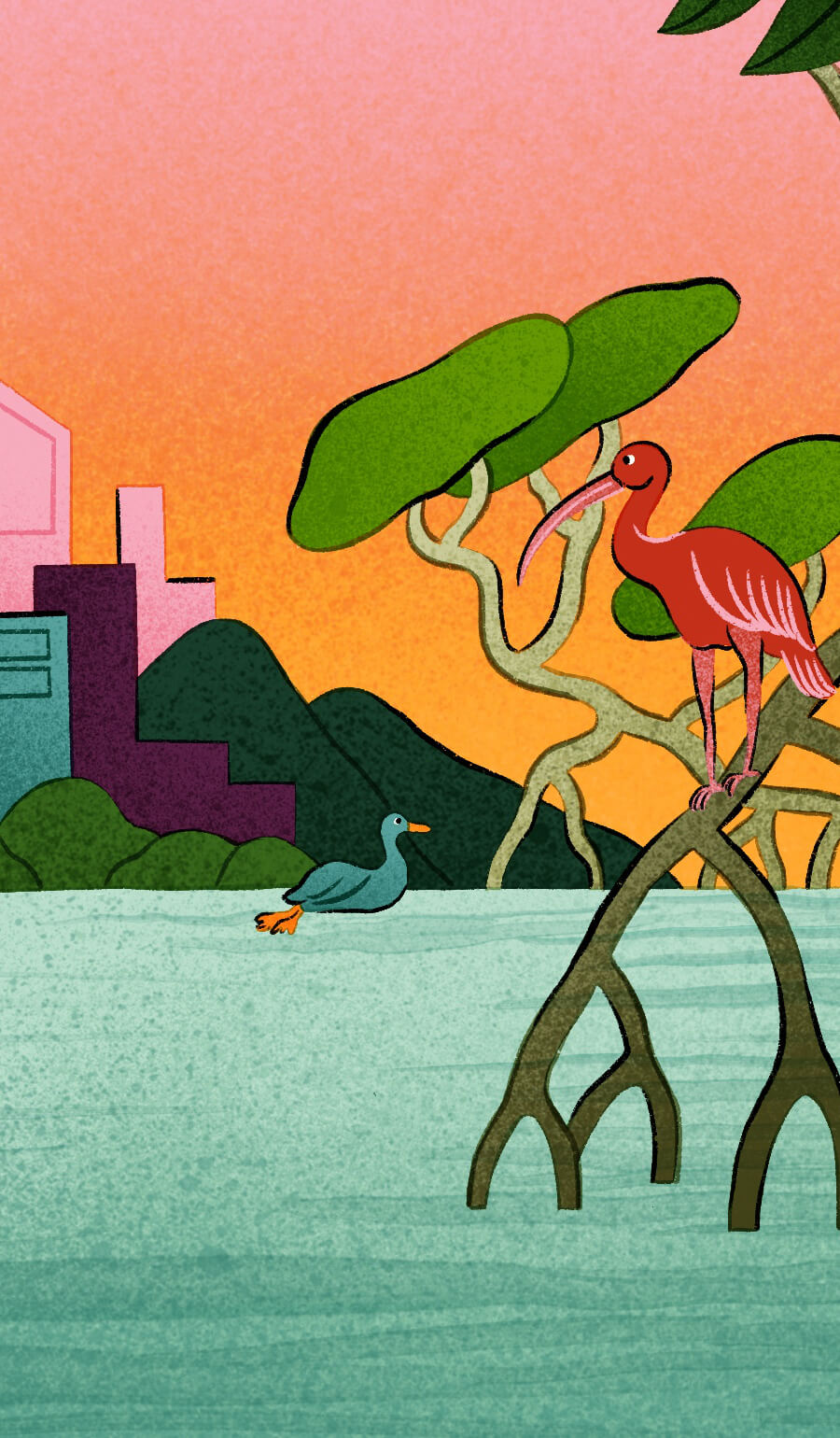
As cities expand to house an additional 2 billion people, construction could destroy natural habitats that wildlife need.
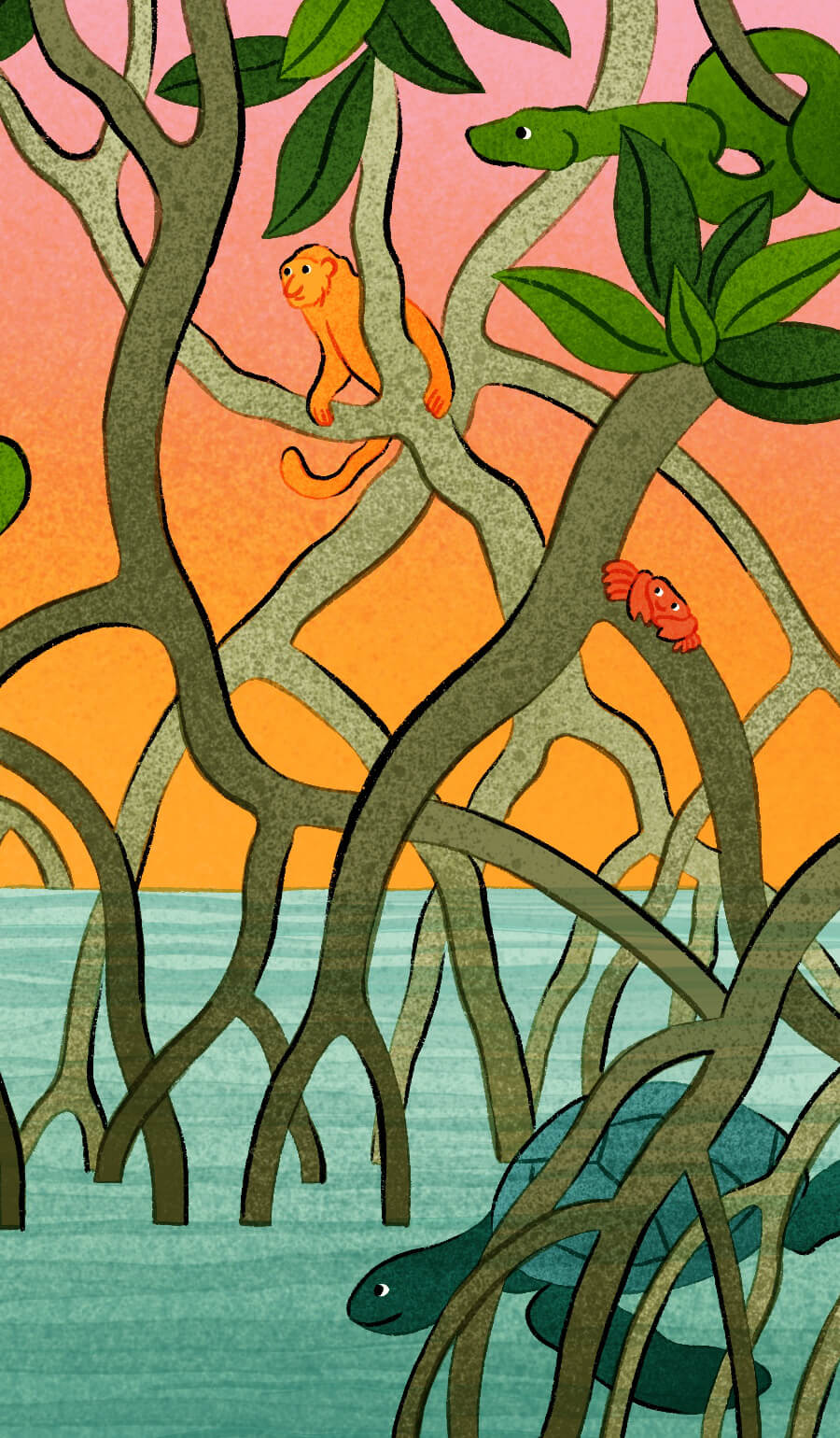
Even if nearby ecosystems are spared, they will face growing air pollution, dumping, and wastewater runoff. Managing urban sprawl will be a key challenge for the next generation.
SOLUTION SPOTLIGHT
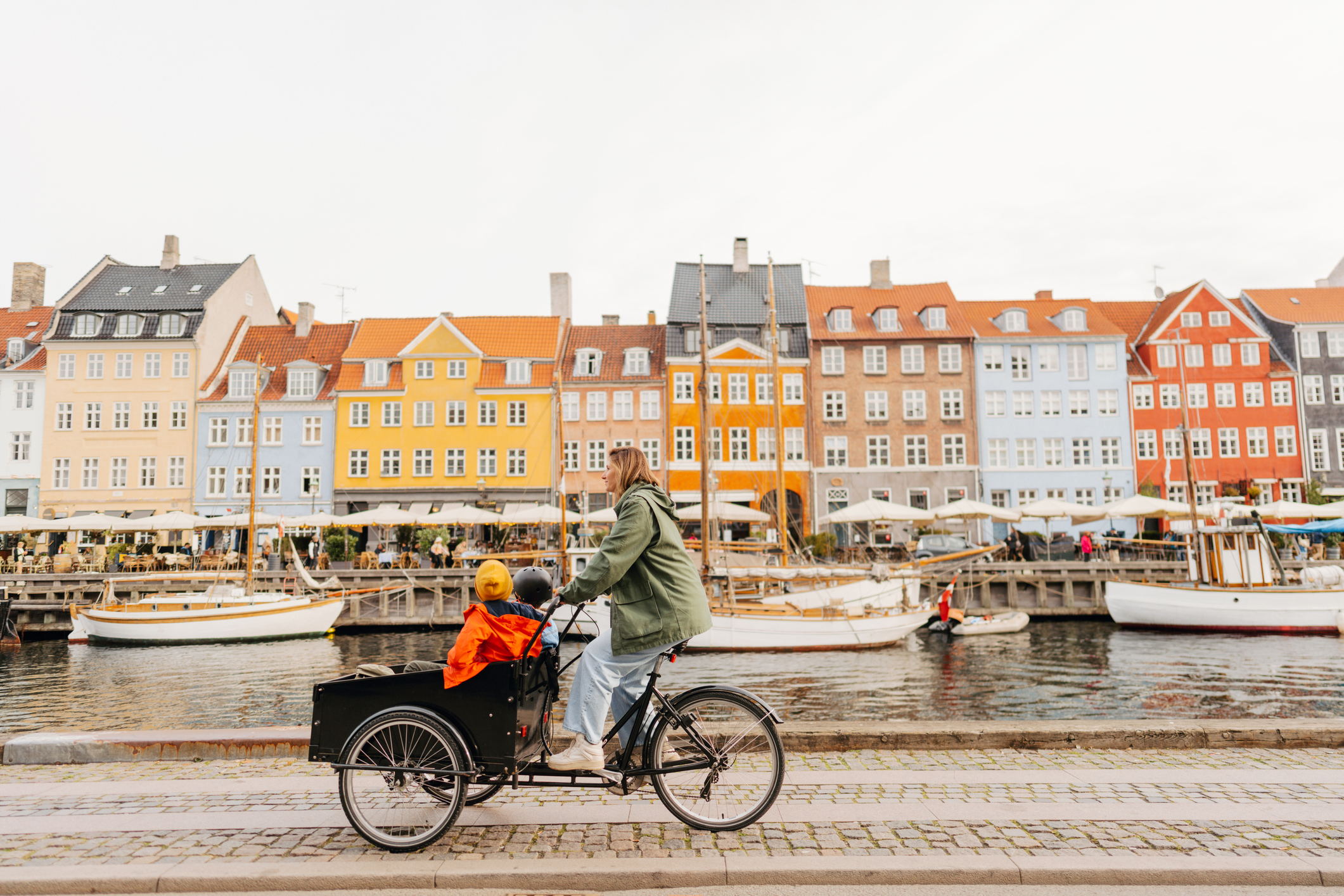
Copenhagen proves that cities and nature can thrive together. Green thinking shapes nearly every part of life in Denmark’s capital. Bike paths and parks connect people to open spaces within minutes of home, while green roofs and rain gardens soak up stormwater before it floods the streets. Along the coast, electric ferries and restored wetlands protect wildlife and shield neighborhoods from rising seas.
The city’s goal is bold: to keep slashing vehicle emissions and become the world’s first net-zero capital by 2030—showing that urban growth doesn’t have to come at nature’s expense.
.gif)
From Mumbai to Miami, coastal cities in tropical climates are losing one of their strongest natural defenses. Where land meets sea, 50% of the world’s mangroves are now at risk of collapse as rising seas, coastal development, and pollution destroy their fragile roots.
Like other forests, mangroves shelter diverse life, absorb carbon dioxide, and slow global warming. But these living seawalls and their tangled root systems also protect coastal areas from rising waters and severe storms, which are intensifying with climate change. By reducing catastrophic floods, mangroves protect the lives of millions of people, $65 billion worth of seaside property, and countless wildlife habitats around the world.
Biodiversity hotspots are the crown jewels of our planet—rare regions bursting with unique forms of life. But these natural treasures are disappearing fast. Deforestation, industrial agriculture, mining, and urban development are rapidly erasing these irreplaceable places, pushing once-thriving ecosystems to the brink of collapse.
To qualify as a biodiversity hotspot, an area must meet two criteria:
It must contain at least 1,500 plant species found nowhere else on Earth—a mark of its extraordinary uniqueness.
It must have lost more than 70% of its original natural vegetation—a measure of how endangered it has become.
This coastal and inland forest hosts 15 distinct ecosystems and is home to one in 14 of all plant species. It provides clean water for millions of people, reducing drought, and cooling city air. However, human activity has destroyed 88% of the vegetation, leaving this biodiversity hotspot fragmented and severely threatened.
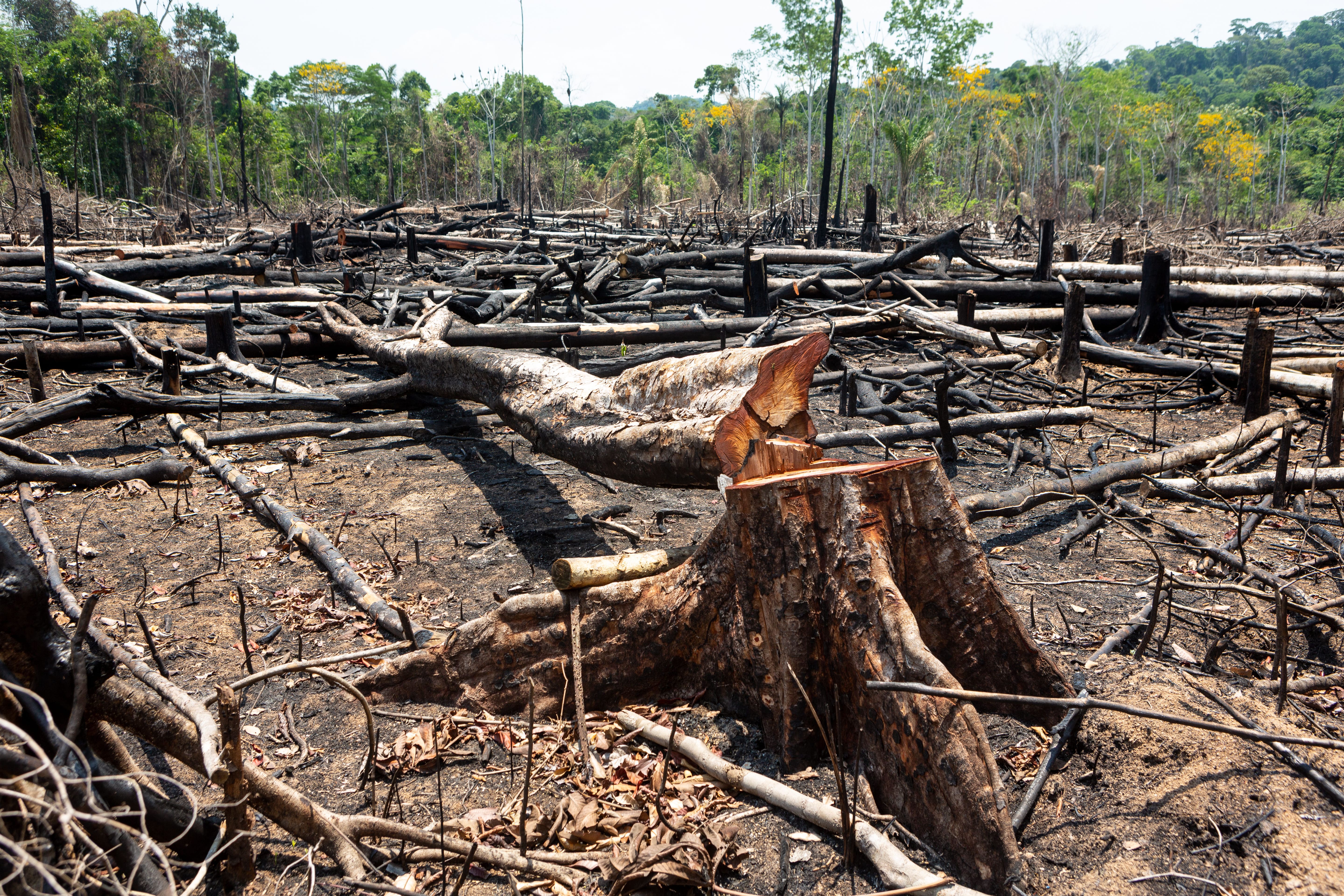
A whopping 16 million acres of forest—big enough to fit nine million soccer fields—were cut down in 2022 alone. Mature forests, like the Amazon Rainforest, have nurtured biodiverse ecosystems for millions of years. What’s more, their mix of trees, fallen leaves, and rich soil systems serve as enormous water filters. Miles of trees also act like the earth’s lungs—absorbing the carbon from pollution and breathing out fresh oxygen. The more forest we lose, the harder it will be to combat climate change.
CHAMPION OF CHANGE

Growing up in Indonesia’s Aceh province, Farwiza Farhan found peace in the forests of the Leuser Ecosystem—the last place on Earth where Sumatran tigers, elephants, rhinos, and orangutans still live together. Later, while snorkeling for the first time, she fell in love with the coral reef and decided to become a marine biologist to protect it.
“At that time,” she says, “I thought you prevent destruction by being a scientist—by sharing how amazing the environment is.”
But years of work on the ground showed her that’s not always enough. In Leuser, Farwiza saw gold-mining companies offering village leaders “more cash than they had ever seen”—buying their silence before turning rivers toxic with mercury. Many communities simply didn’t understand the dense legal documents that allowed such projects to begin.
Farwiza founded HAkA (Forest, Nature & Environment Aceh) to help local people act before the damage is done—by building a “conservation economy” that values forests not for what can be taken but for what they sustain. Her team trains villagers, especially women, to read contracts, understand their rights, and challenge harmful projects. When a group of mothers and grandmothers formed their own forest protection team, they became respected leaders who now sit down with regional and national officials.
“They’ve gained confidence,” Farwiza says, “not just in themselves but also in their role in the big movement to protect the forest.”
SOLUTION SPOTLIGHT
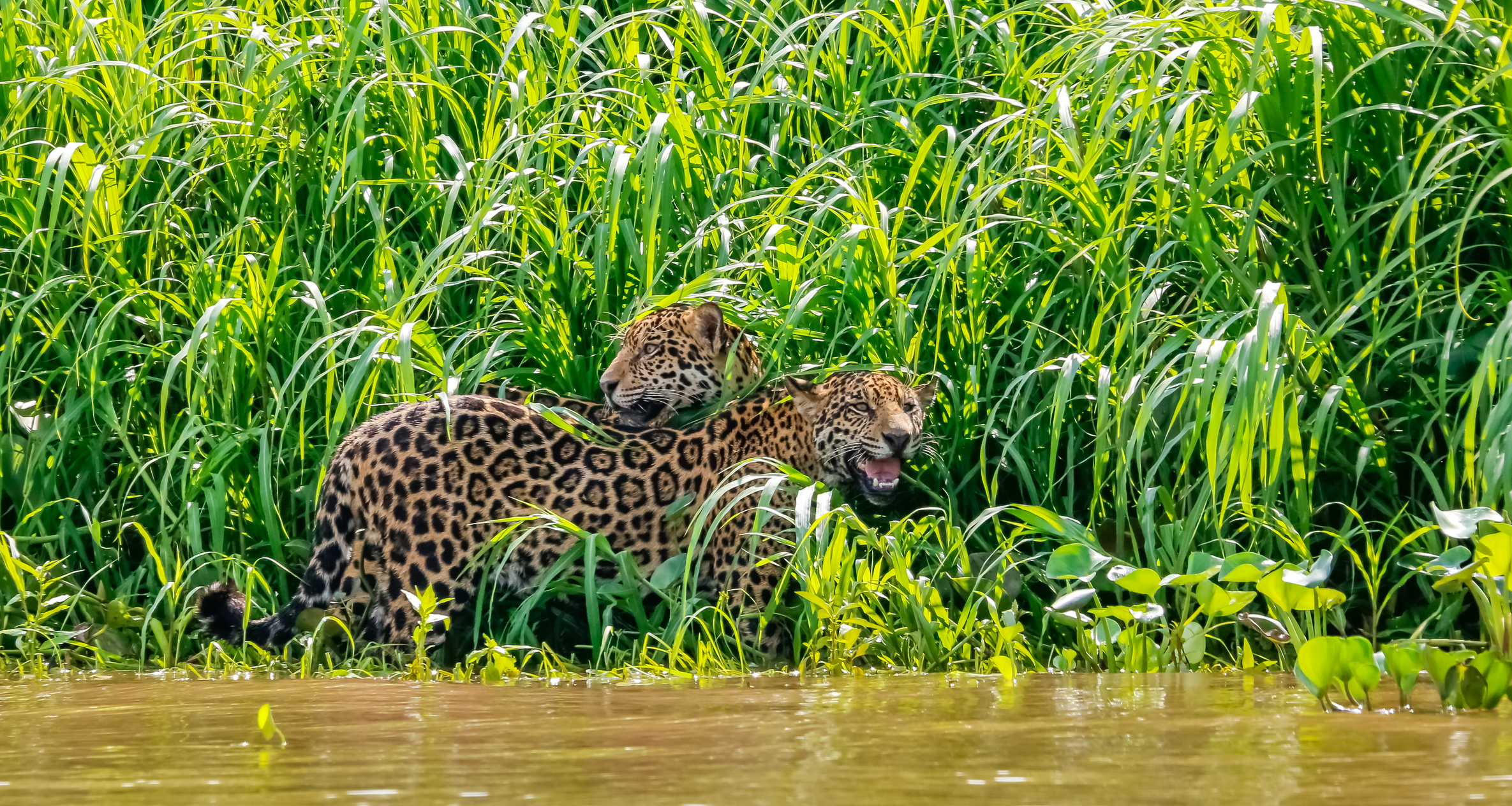
Just beyond the Amazon lies a vast tropical savanna bursting with life. Home to jaguars, giant anteaters, and 13,000 plant species, the Cerrado is vanishing twice as rapidly as the Amazon but gets far less attention.
This biodiversity hotspot produces around 60% of Brazil’s agricultural output, yet has far fewer legal protections. In 2023, deforestation surged 43%, even as Amazon forest loss declined. Still, promising initiatives like training more than 20,000 farmers in low-carbon agriculture are proving that conservation and sustainable cultivation can coexist.
A proposal to transform how the Cerrado’s land is managed could unlock $72 billion in economic gains for Brazil—offering hope that preserving biodiversity can strengthen both nature and livelihoods.
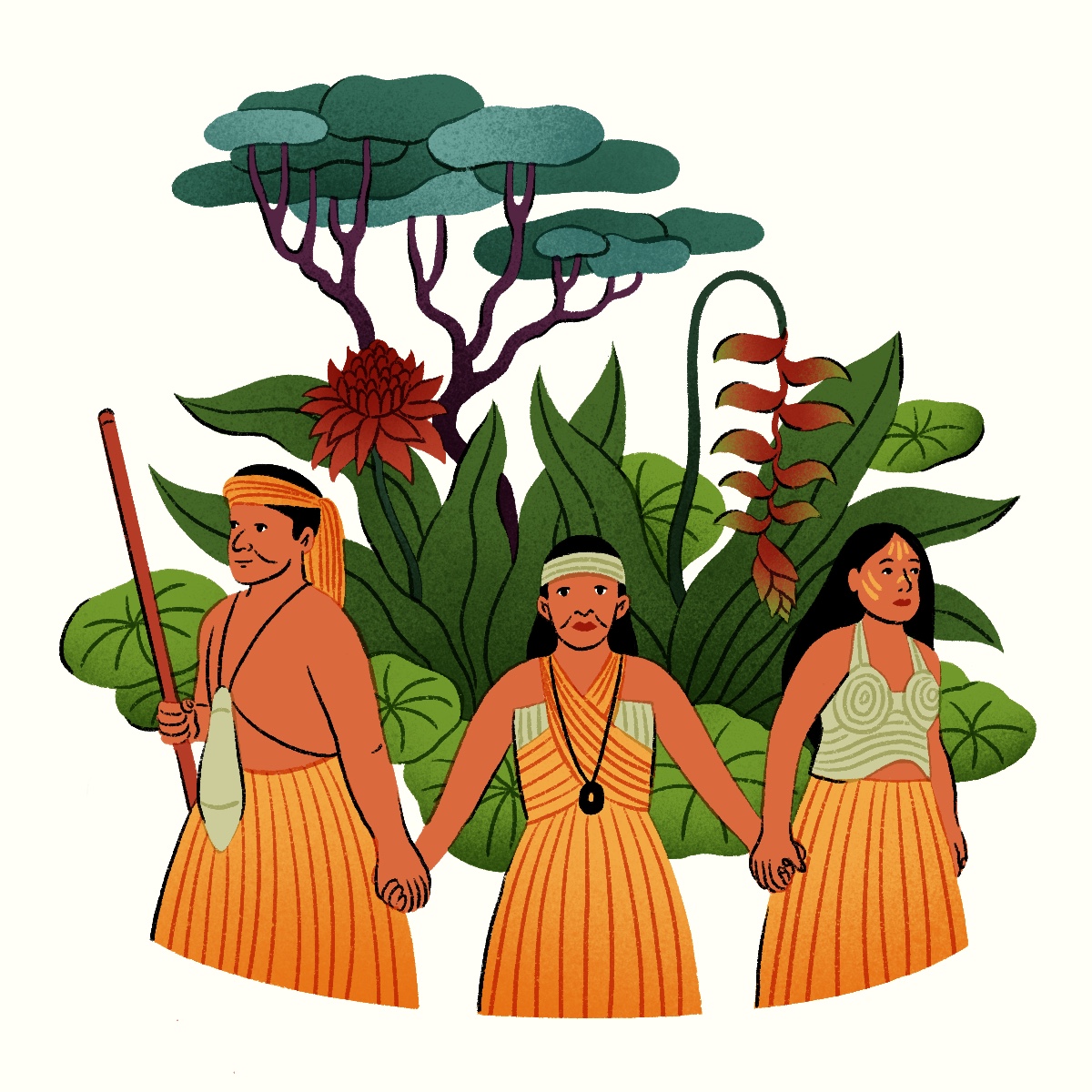
For tens of thousands of years, Indigenous Peoples have been protecting some of the planet’s most biodiverse places. They live in harmony with rainforests, coastal bays, and rolling grasslands that support life found nowhere else. From fire management to fishing cycles, their knowledge and ancestral science keeps nature thriving.
But these guardians are under pressure. Illegal logging trucks, mines, oil rigs, and industrial farms are invading their ancestral lands and ravaging local ecosystems.
SOLUTION SPOTLIGHT
In Peru and Ecuador, the Awajún and Achuar Nations are pairing ancient wisdom with high-tech tools to protect their lands. With NASA’s help, they use satellite data and mapping technology to spot illegal logging and development before it spreads—defending tropical forests that store massive amounts of carbon and shelter unique forms of life.
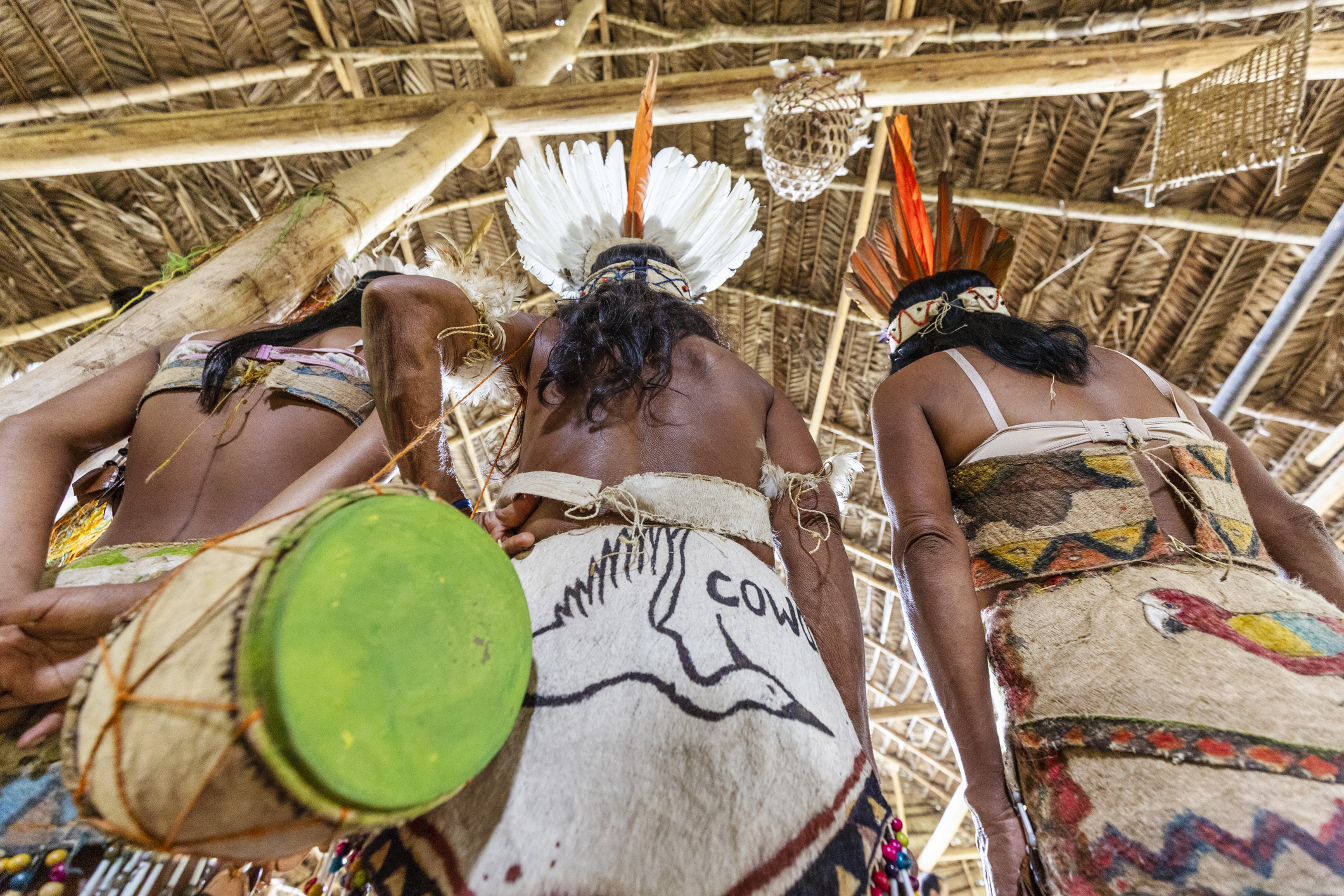

Did you know? Indigenous Peoples are stewards of some of the most biodiverse regions on Earth, including 36% of intact forests. However, their ancestral rights are not always formally recognized or adequately enforced. Scientists believe that empowering Indigenous Peoples to have greater control over their territories is one of the best ways governments across 87 countries can protect nature.
SOLUTION SPOTLIGHT
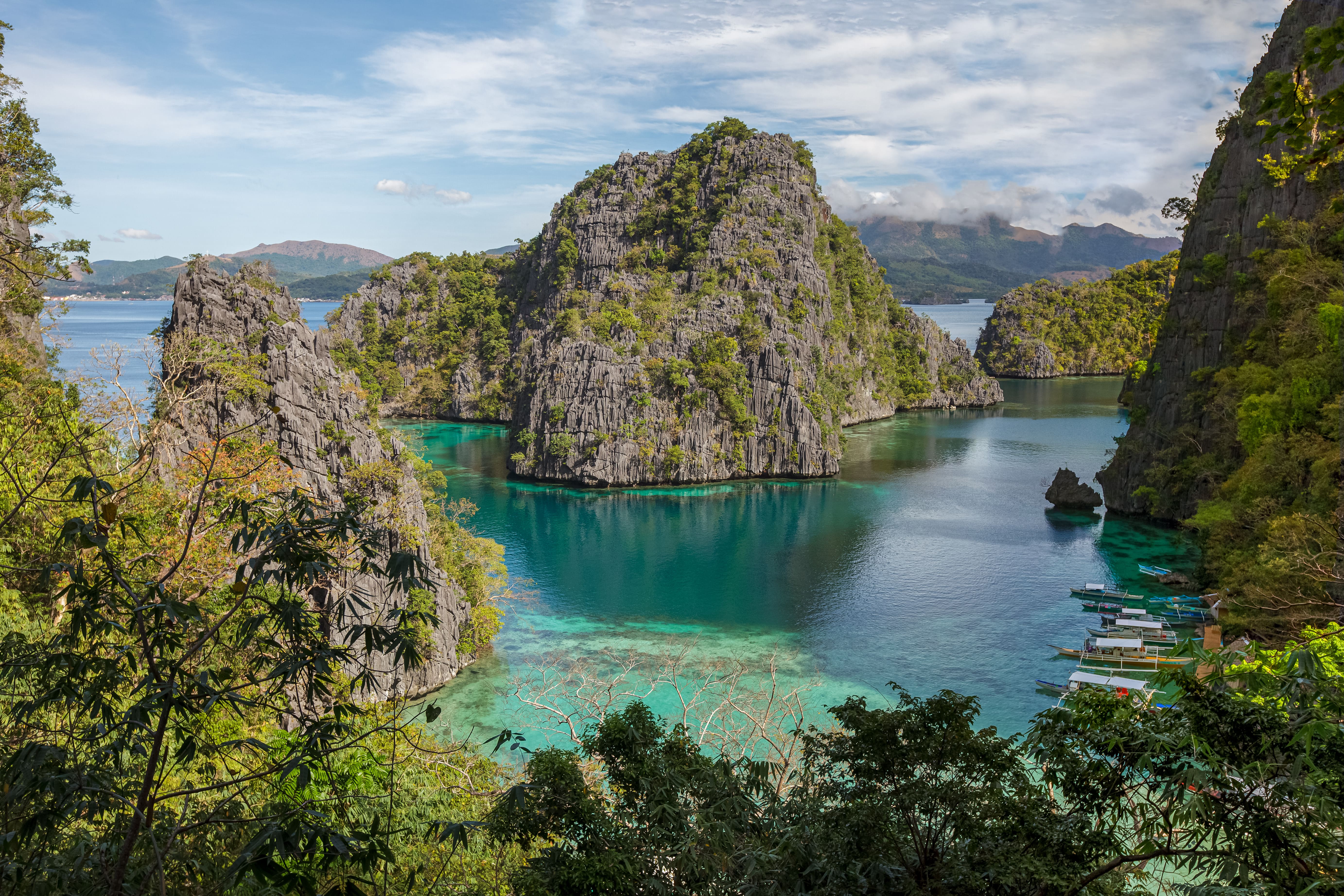
On Coron Island in the Philippines, the Tagbanwa people won official rights to preserve 54,000 acres of ancestral land and sea in 1998. Today, extended rights help them defend biodiverse mountains from mining. Guided by traditions passed down for generations, they also protect coral reefs, mangroves, and sacred fishing grounds—all while promoting eco-tourism that supports their way of life.
CHAMPION OF CHANGE
In the heart of the Amazon, Indigenous activist Leo Cerda is showing how protecting nature begins with protecting people. As founder of The HAHKU Project, Leo partners with more than 40 Indigenous communities across his native Ecuador, Peru, Brazil, and Bolivia to defend land rights, build local economies that thrive, and resist invaders who strip resources from the world’s largest rainforest.
Through community-based chocolate, tea, and sustainable fashion projects, HAHKU helps local families earn income while keeping the forest standing. The organization also supports policy and legal action, and recently sued the Ecuadorean government to stop illegal mining in the region. Developing alternatives to fossil fuel extraction is another priority.
“At the end of the day, people in our communities need to eat, send their kids to school,” says Leo, 37. “But we don’t need much.”
By expanding sustainable jobs and support systems, Leo is confident that fewer families will leave endangered ancestral lands to seek opportunities in cities.
“They’ll stay and protect their territories," he says. “They’ll be able to create a future built on Indigenous values and protection of the lands.”
One million species are at risk of extinction in the coming decades. Conservation is our best response: protecting Earth’s biodiversity, restoring what’s been damaged, and using resources wisely so that humans and wildlife can endure. Done right, conservation keeps ecosystems alive, stabilizes the climate, and safeguards food and water for all.
CHAMPION OF CHANGE

Jane Dunlop, a lawyer from New Zealand, first came to Indonesia after the deadly 2004 tsunami to support recovery efforts in Aceh. In the years that followed, she learned that the region—once isolated by 30 years of conflict—had remained one of the most intact forest landscapes in Southeast Asia. But as peace returned, new pressures appeared. Large companies were moving in to clear land for industrial farming, while local family farmers struggled to keep their land productive.
Many couldn’t afford to replant when aging coconut trees stopped producing, leaving their farms vulnerable to being sold off. Jane saw that conservation had to include a way for people to make a living from protecting nature—not exhausting it. She founded Aluan, a business that connects coconut farmers with global food and cosmetics companies that buy their high-quality organic coconut oil and help fund replanting. “People need jobs, and there needs to be investment,” Jane says. “We’re really responding to what those local needs are.”
Through Aluan, farmers are restoring their soil by intercropping coconut trees with cocoa, turmeric, and ginger—creating healthier farms that can last for generations. To safeguard some of Aceh’s most pristine forests and marine areas, Jane also helped launch the Ecosystem Impact Foundation. It now employs 70 local rangers to patrol against poaching—especially of endangered songbirds and sea turtles—and it helps Indigenous communities gain official rights to protect their traditional forest and marine territories. After years of building partnerships, Jane says global buyers of virgin coconut oil are finally committing long-term support for this work.
“Now that that is starting to happen,” she says, “it’s the missing link that brings it all together. It’s really, really exciting.”

Costa Rica’s comeback proves that ambitious goals can deliver real results. In the 1980s, the country had one of the world’s fastest deforestation rates. Today, thanks to innovative laws and programs that pay Indigenous communities, family associations, and other individuals to conserve nature, tree cover has doubled and blankets half the nation. The 3.2 million acres of newly protected forest could fill Disney’s Magic Kingdom 30,000 times over.
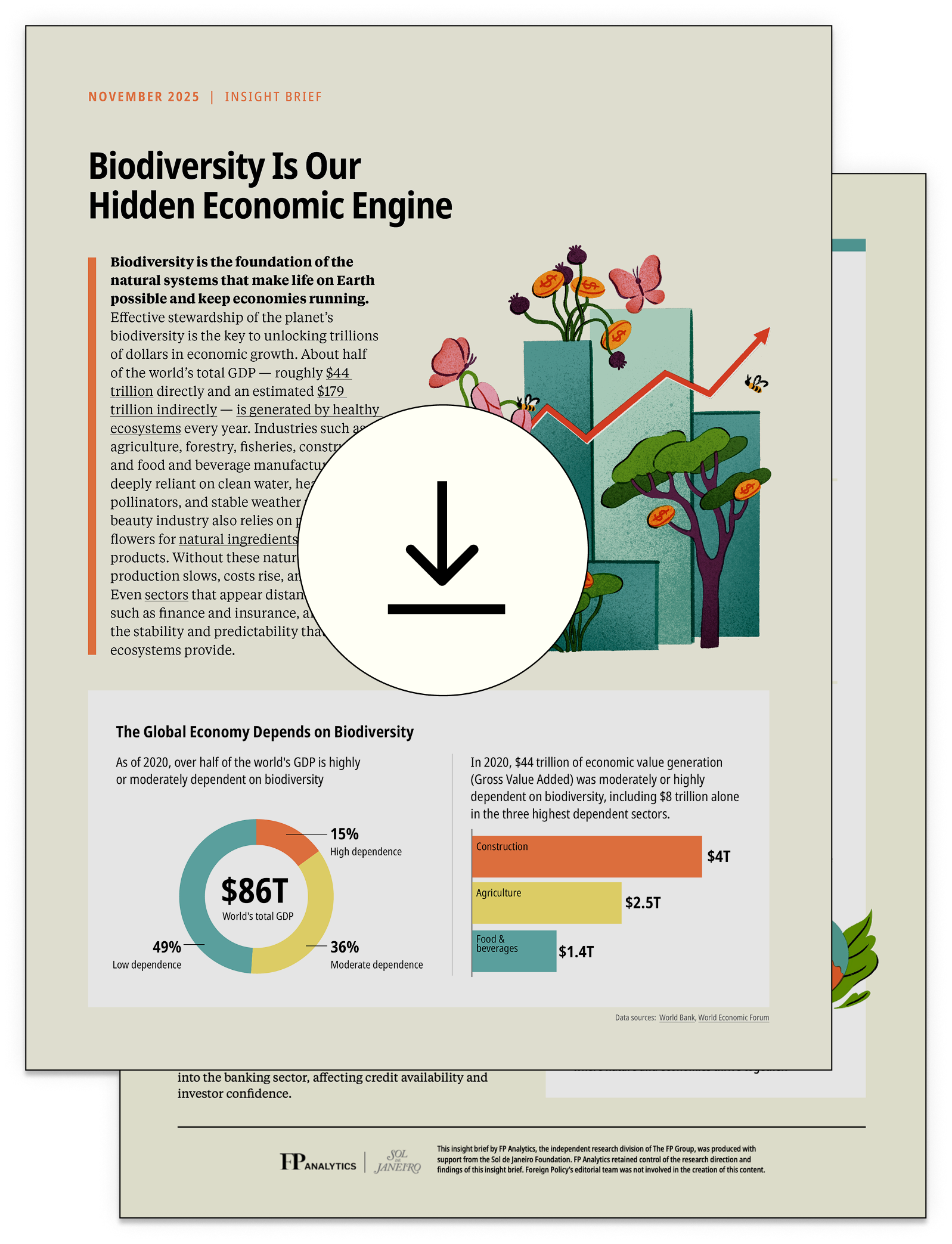
Explore how protecting nature fuels economies and secures our shared future.
DOWNLOAD THE PDF
Recovery begins with resolve. The more people who understand biodiversity, the more powerful the push to protect it. Sharing knowledge and speaking up keeps the world’s bold commitments coming and progress alive. Together, we can restore balance to our planet and secure a thriving future for all species—including our own.
Illustrations by Nhung Le