Every girl is born with unlimited potential. Among the 60-plus million girls born each year, any one of them could grow up to discover medical miracles, create breathtaking art, start a billion-dollar business, or invent technology that makes life on Earth better.
But girls around the world face limits from the start—fewer chances to explore, speak up, or stay in school. As they grow, the obstacles multiply, shaping their health, safety, and independence in ways boys rarely experience.


At School
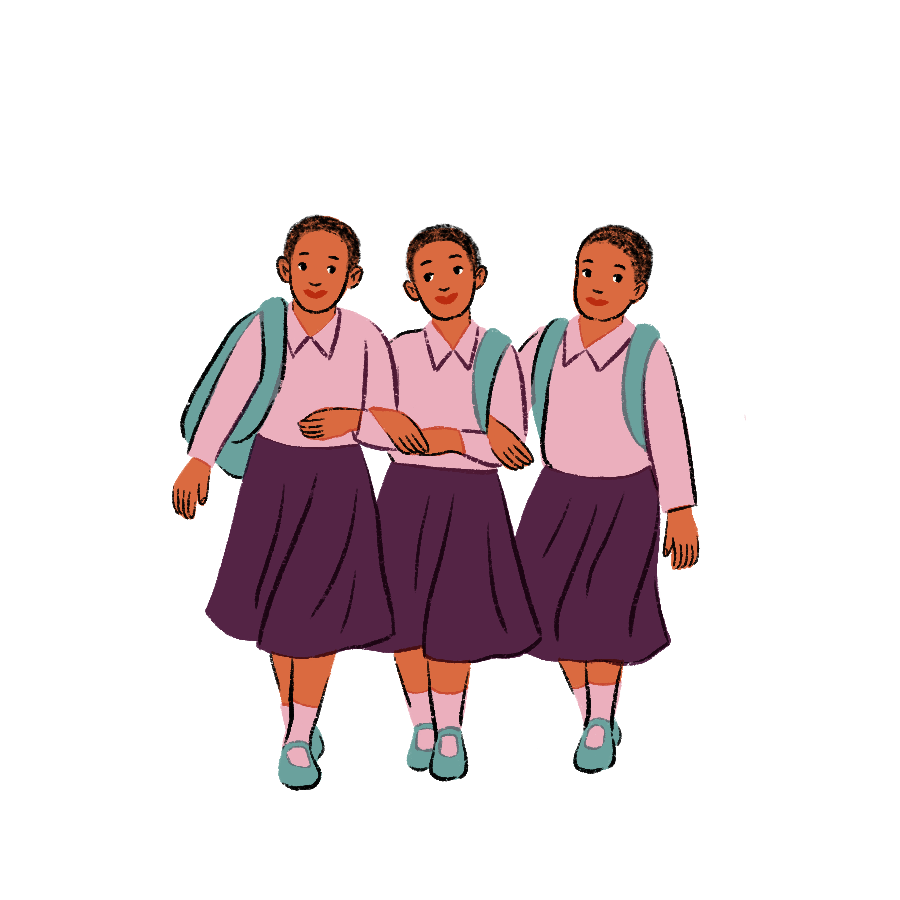
Millions of girls leave school at a very young age—or never attend—due to discrimination, poverty, and cultural beliefs.
At Home
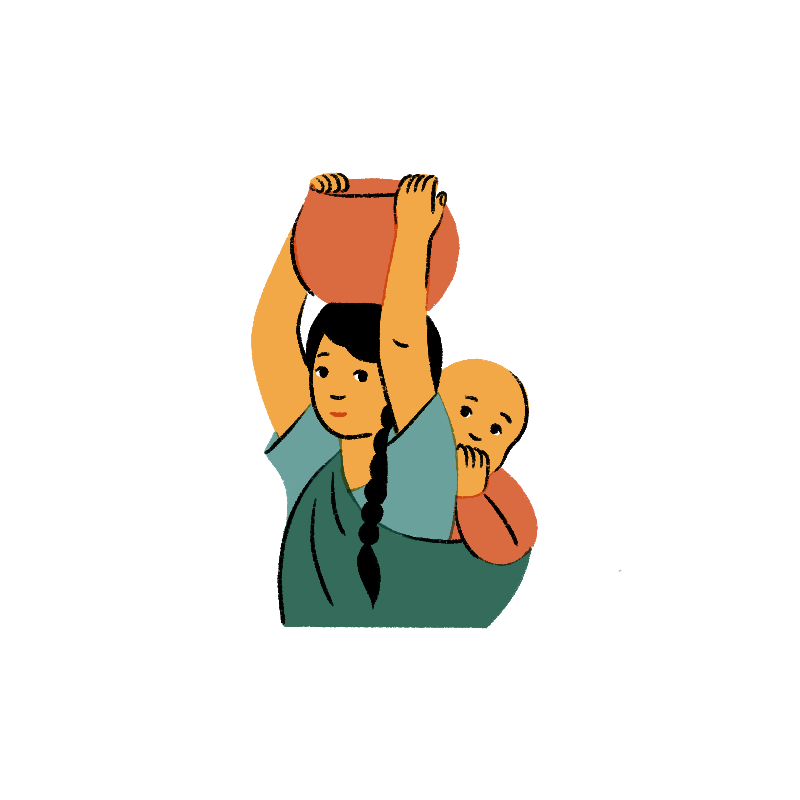
Girls are often expected to sacrifice free time and self-care to cook, clean, babysit, collect water, and gather firewood—limiting their development and well-being.
In Relationships
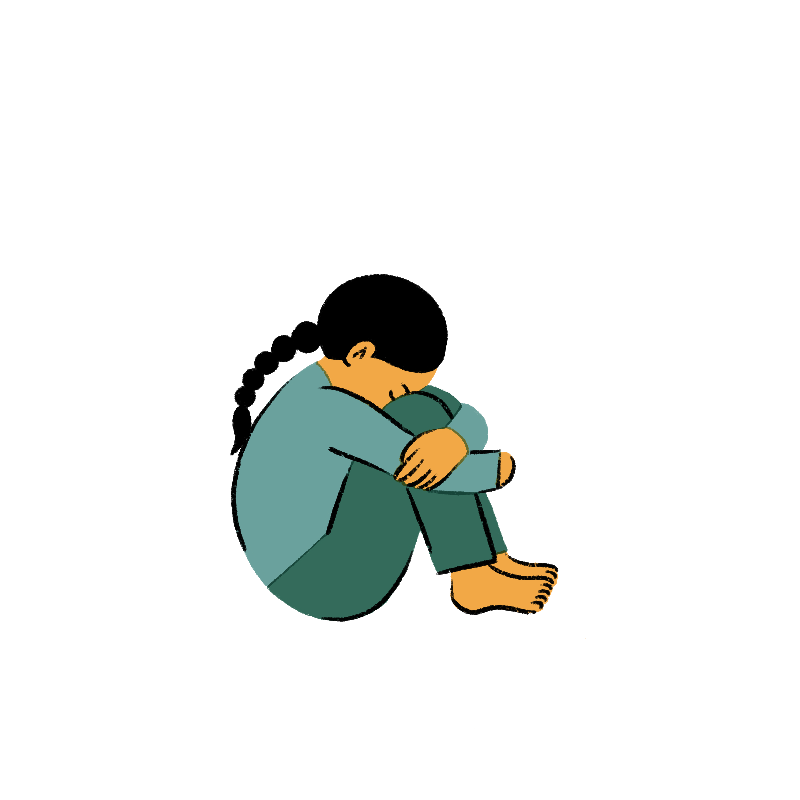
Girls and women face many forms of gender-based violence, and the most common threat comes from their own family members or partners.
At the Doctor
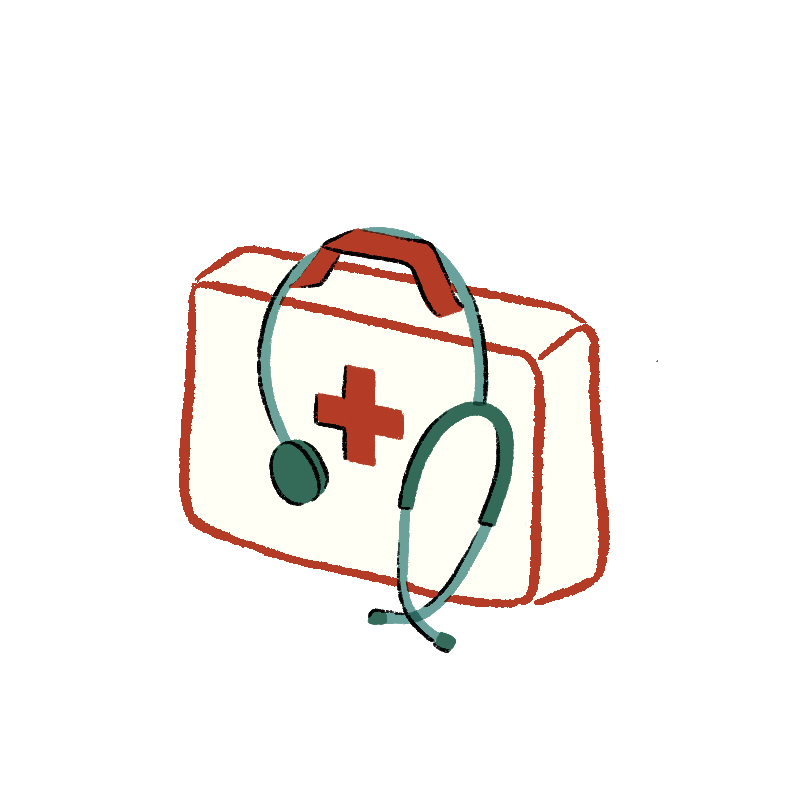
Healthcare is less accessible to girls and women, doctors tend to listen to women less, and fewer scientists study women’s health.

In the Wallet
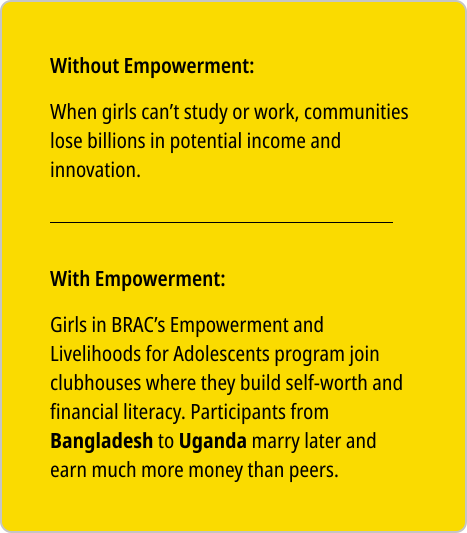
Women are more likely to live in poverty and experience hunger than men. They are less likely to have paid jobs, bank accounts, or the ability to borrow money. As a result women are less free to shape their own path in life.
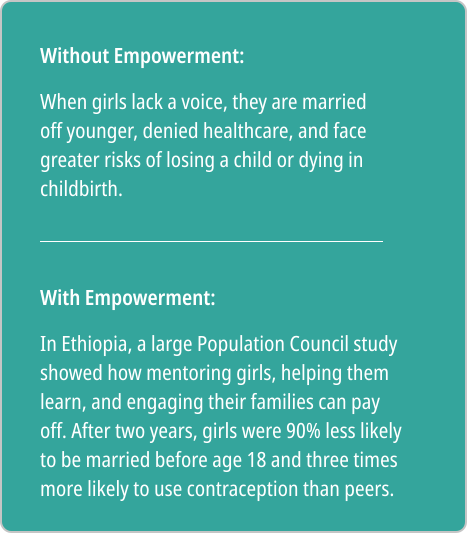
Every year, millions of girls are forced to leave their families, marry young, and start having children themselves. Child marriage derails education, makes it harder to escape poverty, and endangers the lives of young mothers and their babies. While things are improving, about one in five girls still get married before adulthood, compared to about one in 30 young men.
More young women are pursuing their dreams through education and job training than ever before, but the workplace they’ll step into remains highly unequal.
.gif)
In 2024, 46% of women held paying jobs, compared to about 70% of men. Many women aren’t choosing to opt out of the workplace—barriers like discrimination and unpaid caregiving responsibilities push them out. At the current rate of progress, it would take nearly two centuries for women to catch up to men.
Workforce inequality is often more extreme in lower-income countries, but no country offers equal opportunities for women. Around the world, far fewer women rise to become managers, while more women work as cleaners, street vendors, and other roles in the informal economy that deny them health benefits, retirement plans, and legal protections. The so-called “motherhood penalty” also shrinks women’s earnings, with few countries offering the right mix of parental leave, child care, and workplace policies that eliminate bias and support working moms.
Can you guess how women compare to men globally?
Hover to find out.
77
Cents to the Dollar
Women are paid less. How much do they make compared to men?
77
Cents to the Dollar
Women are paid less. How much do they make compared to men?
76
% of Unpaid Work
Women often work for free. What portion of unpaid health and care work is performed by women?
77
% of Unpaid Work
Women often work for free. What portion of unpaid health and care work is performed by women?
27
% of Lawmakers
Women are elected to office less. What portion of seats do women hold in parliaments and other national assemblies?
77
% of Lawmakers
Women are elected to office less. What portion of seats do women hold in parliaments and other national assemblies?
6
% of CEOs
Women lead fewer companies. What percentage of top executives are women?
6
% of CEOs
Women lead fewer companies. What percentage of top executives are women?
2
% of Investment
Women business founders receive less funding from investors. What percentage of venture capital goes to all-female founding teams?
77
% of Investment
Women business founders receive less funding from investors. What percentage of venture capital goes to all-female founding teams?
Sources: International Labor Organization, World Health Organization, UN Women, Deloitte Insights, Founders Forum Group
Girls grow up on an uneven playing field rigged to leave half the world behind. Yet, everyone wins when girls get a fair shot. For instance, educated girls are more likely to delay marriage and childbirth, and then, later, to ensure their kids get vaccines and good nutrition. These actions create healthier childhoods and brighter futures for the next generation.
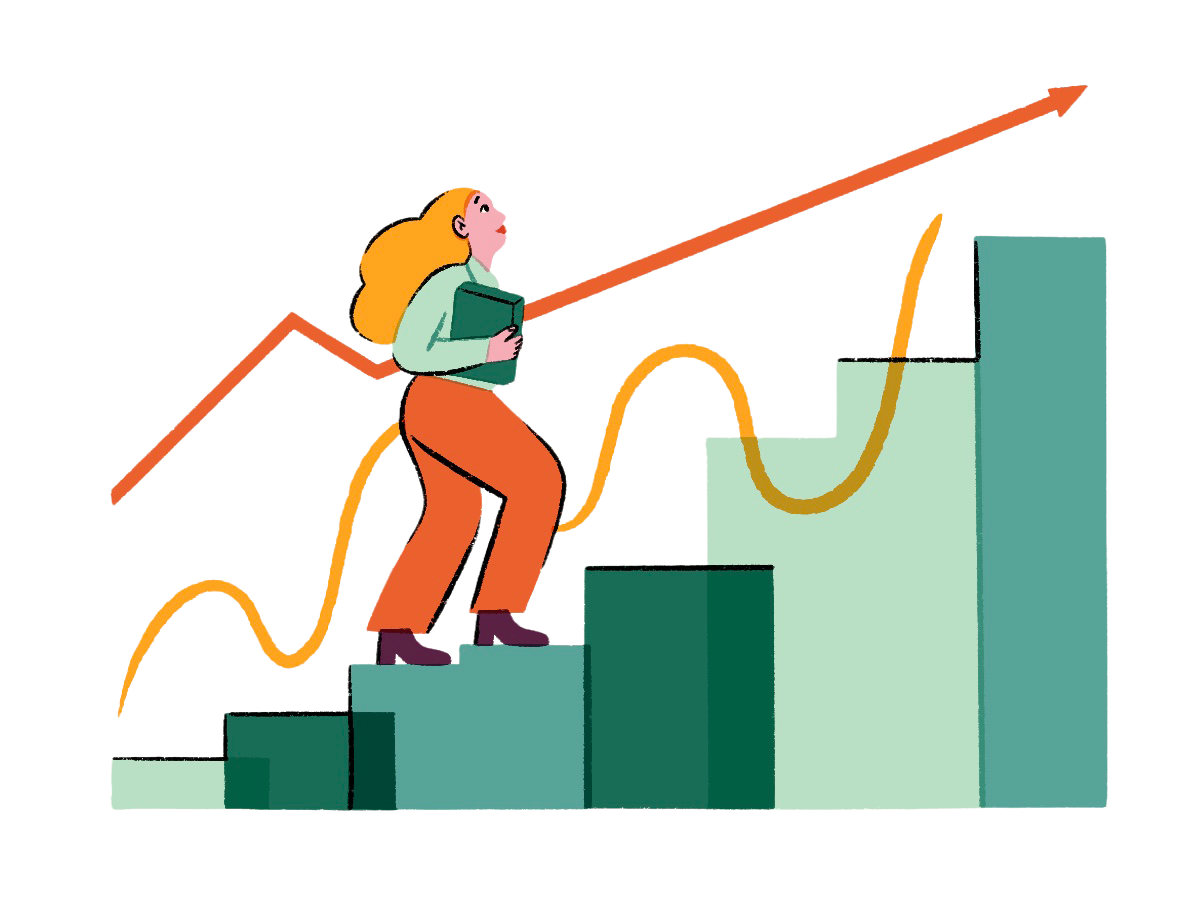
Achieving workplace equality in 38 of the world’s wealthiest countries alone would inject $7 trillion into the world economy every year. That’s about the value of the whole economies of France and Germany combined. Helping women earn and participate equally in emerging markets—such as India—would boost that figure far higher.
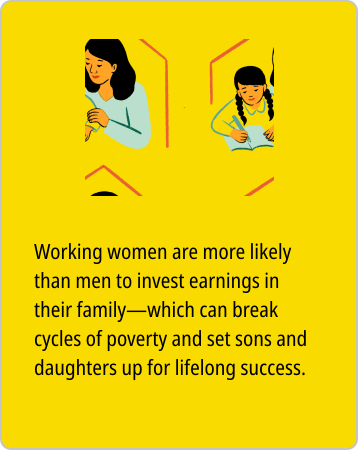
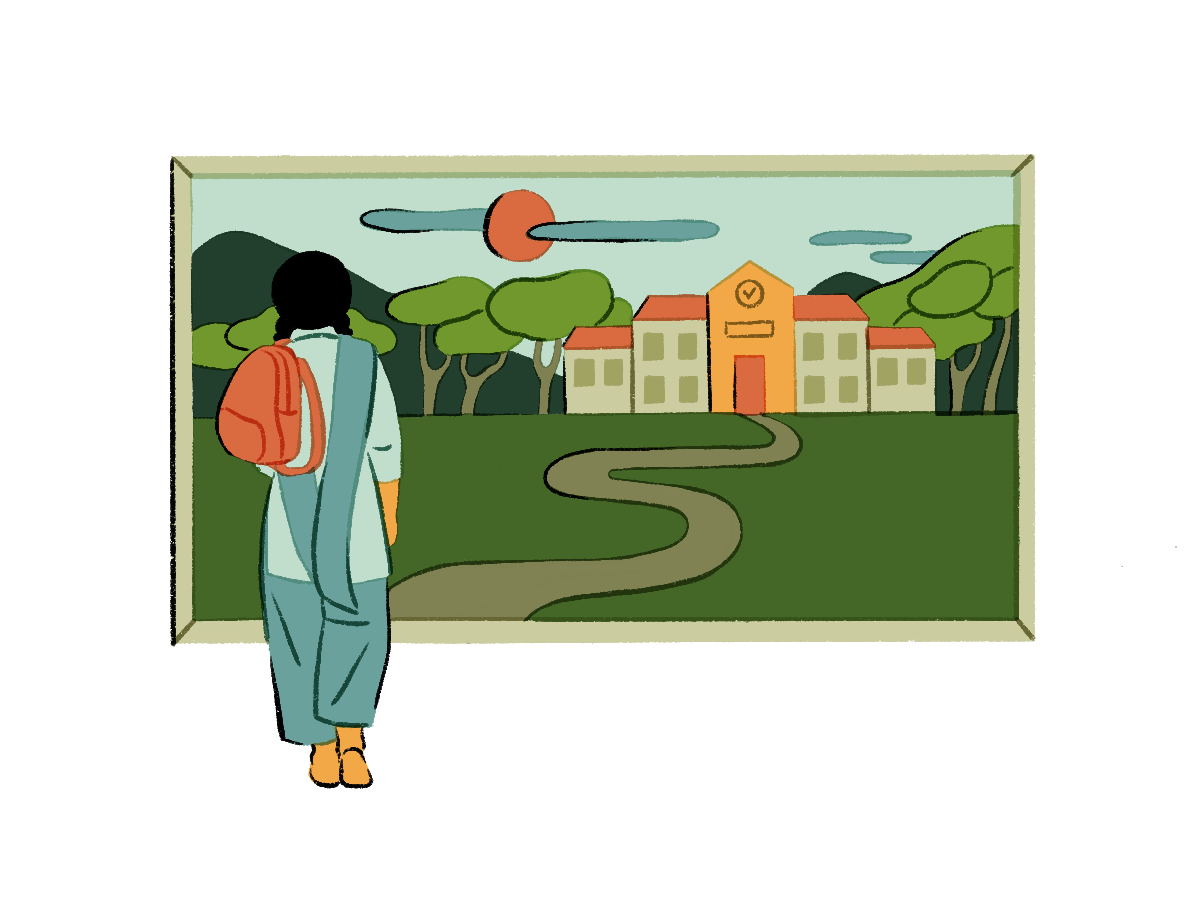
The opportunity to learn can make or break a girl’s future. Nothing pays off like an education, but around the world, girls face many hurdles to attending school.
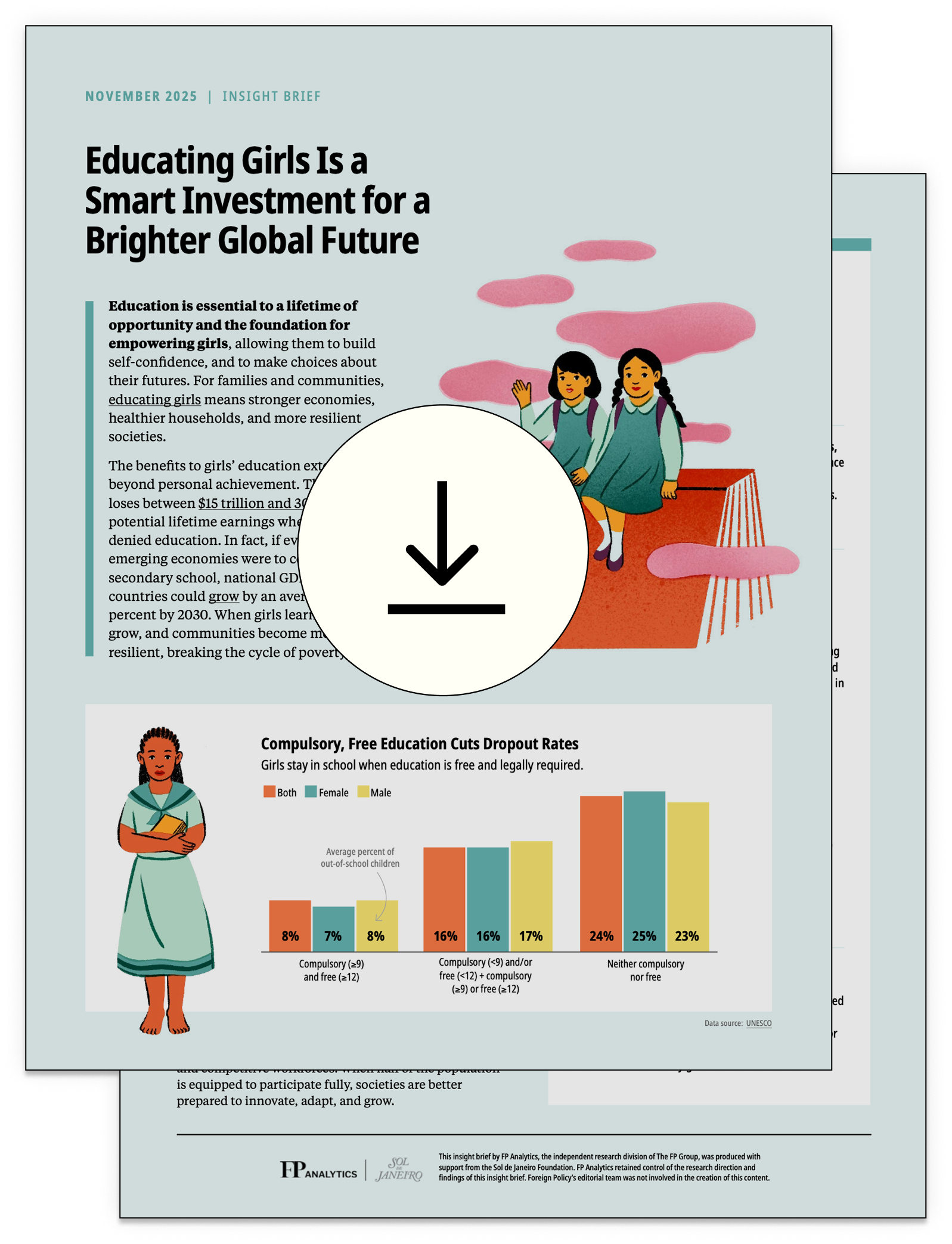
Global efforts to help more girls attend school are making progress. Around 50 million more girls are in school than a decade ago, and girls now outperform boys on reading at every level. But 122 million girls are still locked out from primary and secondary education—with half of them living in sub-Saharan Africa.

Poverty, discrimination, and insecurity are robbing millions of girls of education.
Scroll to explore barriers around the world.
On top of unequal chores, millions of girls are forced into paid child labor—preventing many from attending school.
Violence and instability related to conflict is a major reason girls can’t go to school. In some countries, armed groups even target girls in school.
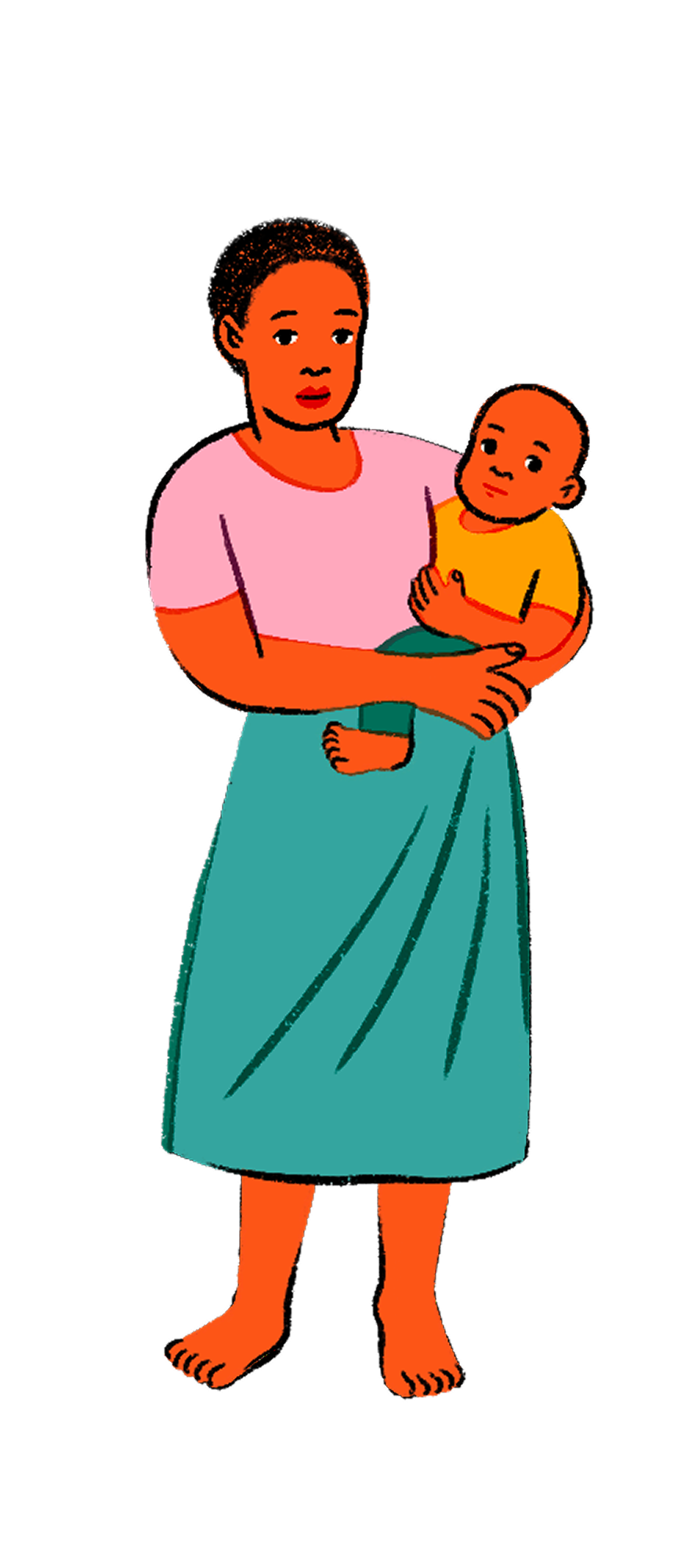
Every year, more than 12 million girls get married before turning 18.
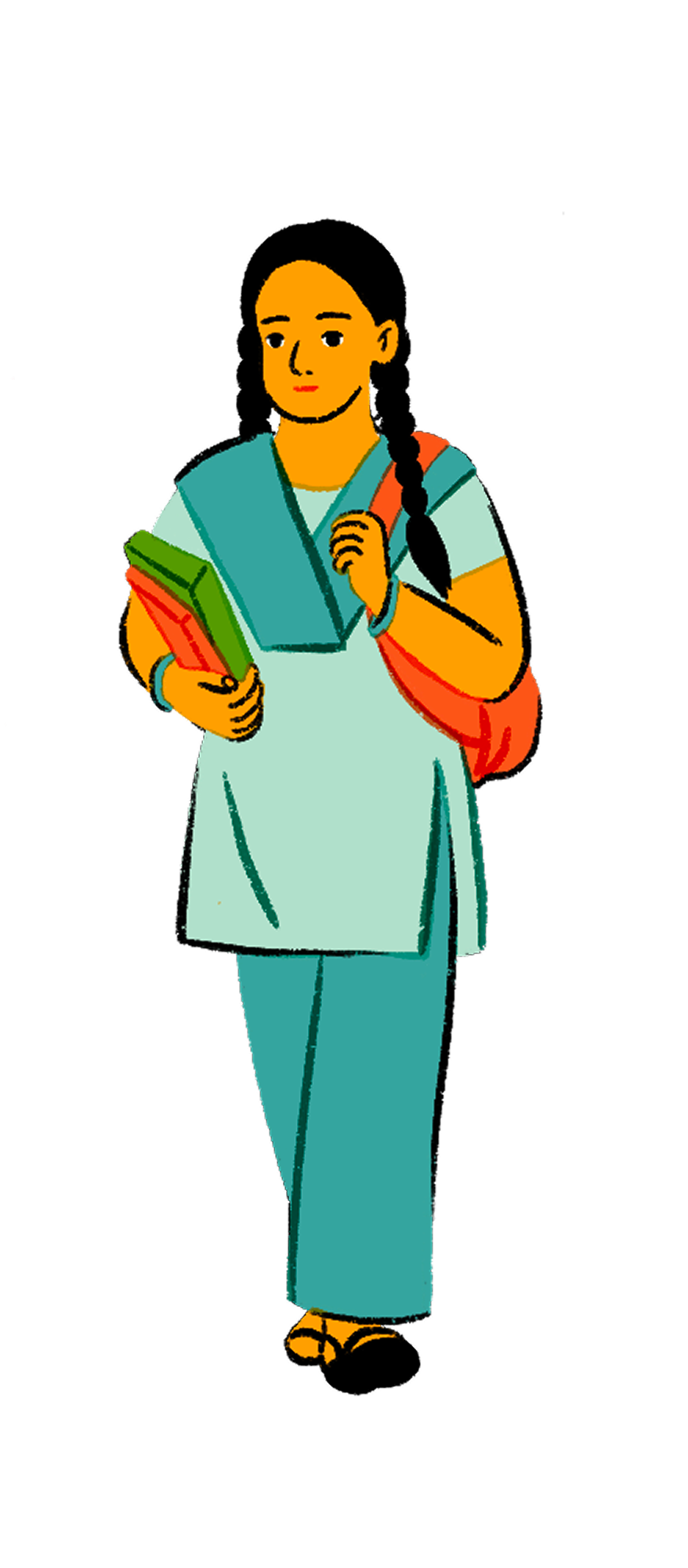
Millions of girls experience sexual violence at school or on the way there. Long distances and lack of transportation in rural areas increase risks for girls.
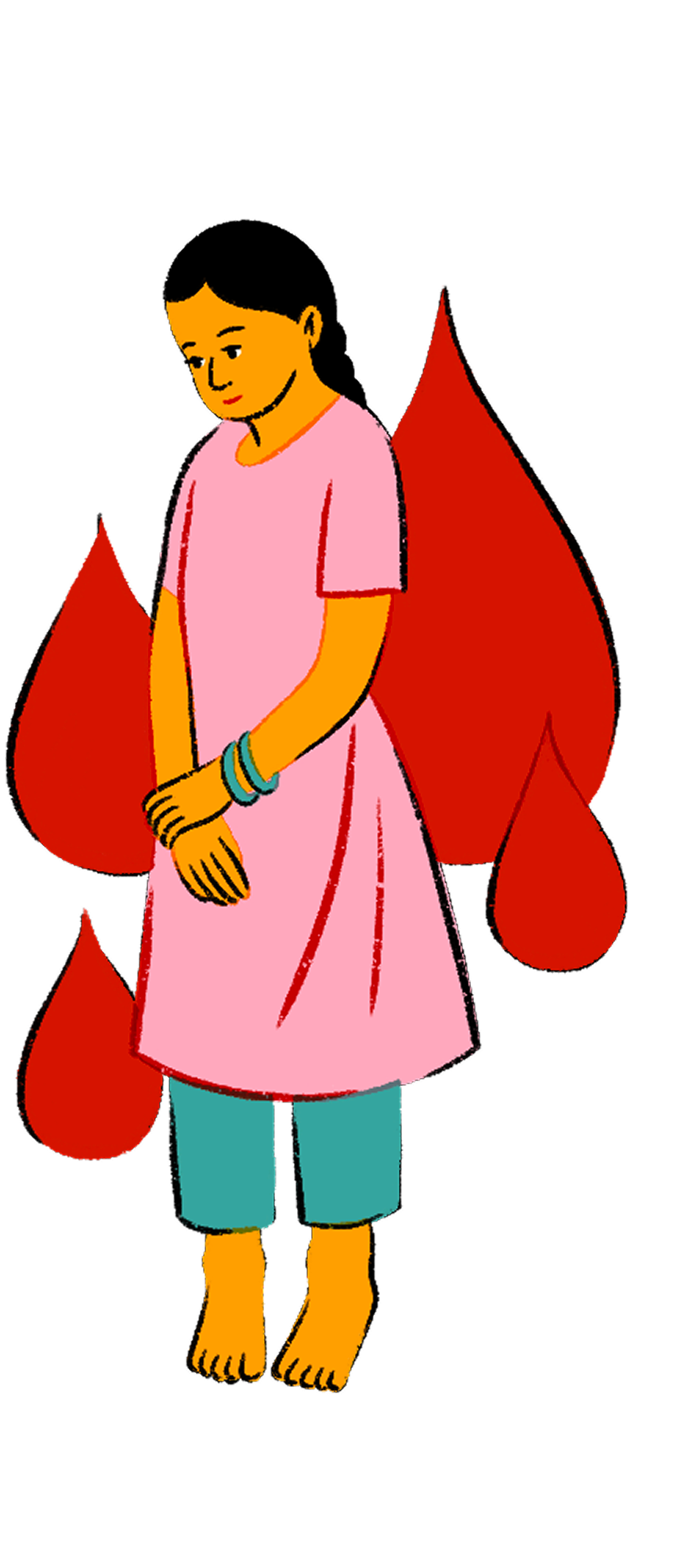
Many girls who struggle to afford period products miss several days of school each month. Lack of proper school bathrooms is also a challenge in poor communities.
Data sources: World Bank Group, Plan International, UN Women, The Water Project, UNICEF, UN OHCHR, Malala Fund, Plan International, International Labor Organization
SOLUTION SPOTLIGHT
In rural India, Educate Girls is mixing technology and teamwork to open classroom doors to girls faster than ever. Their Team Balika (the Hindi word for girl) is a massive volunteer network of 23,000 young people who go door-to-door to find girls who’ve left school behind. Together, they’ve inspired families to enroll 1.8 million girls in school and helped 2.2 million children catch up in class. By using artificial intelligence (AI) to predict which villages most need help, the team can now reach as many girls in five years as would otherwise take 45.
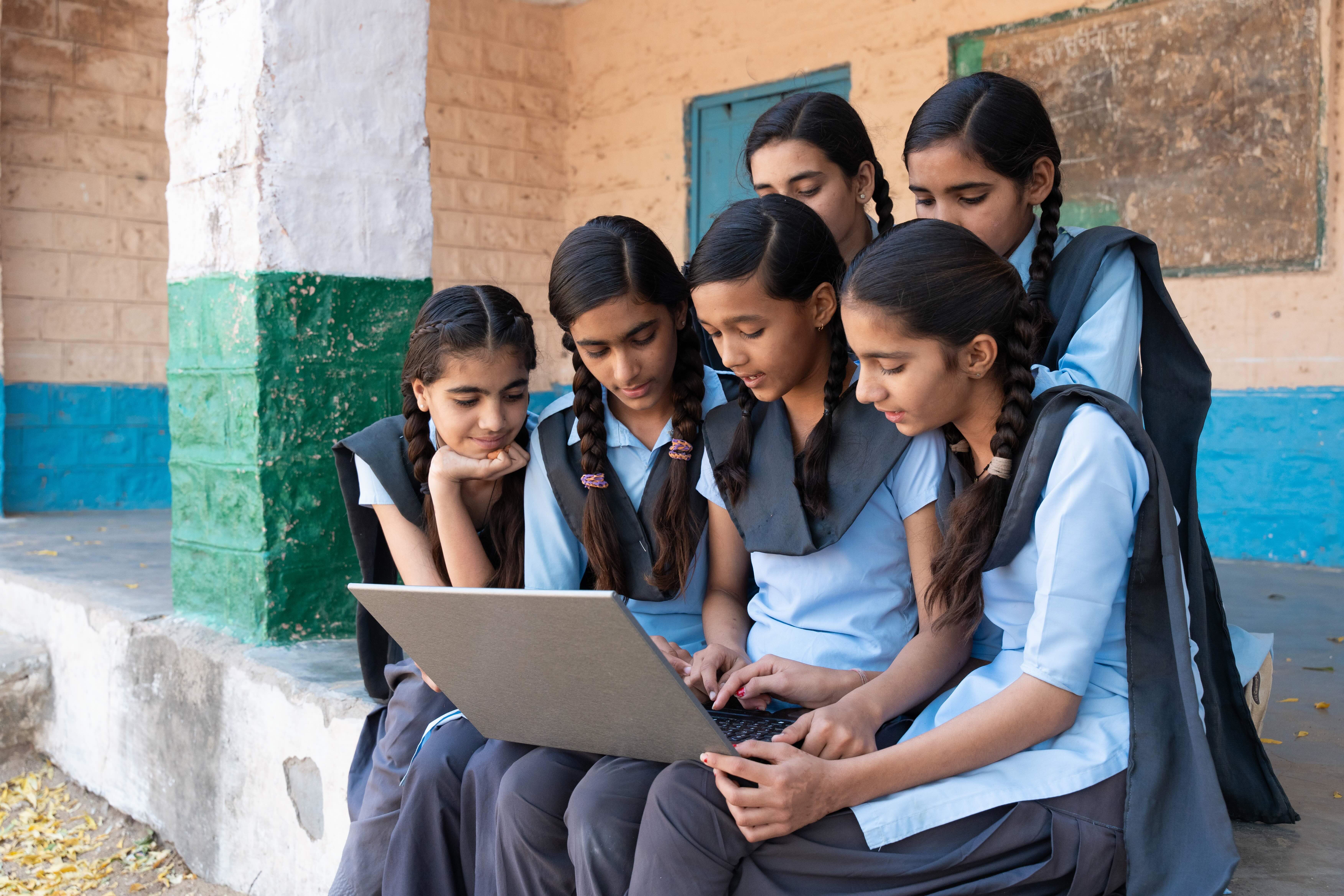
Empowering girls isn’t just about fairness — it’s about opening doors that reshape the future.
When girls have the freedom to learn, control their own health, and explore their ambitions, they gain confidence, independence, and a sense of safety. They grow into women who lead, create jobs, and lift others with them.
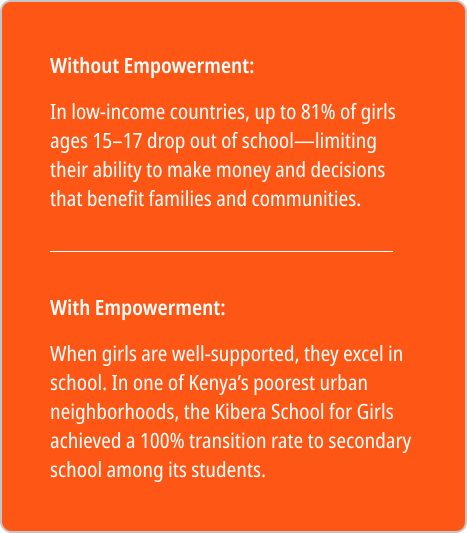
Evidence from around the world shows that when girls are empowered, poverty declines, families thrive, and local economies grow stronger.
Data sources: Align, Together for Girls, Malala Fund, Time
SOLUTION SPOTLIGHT
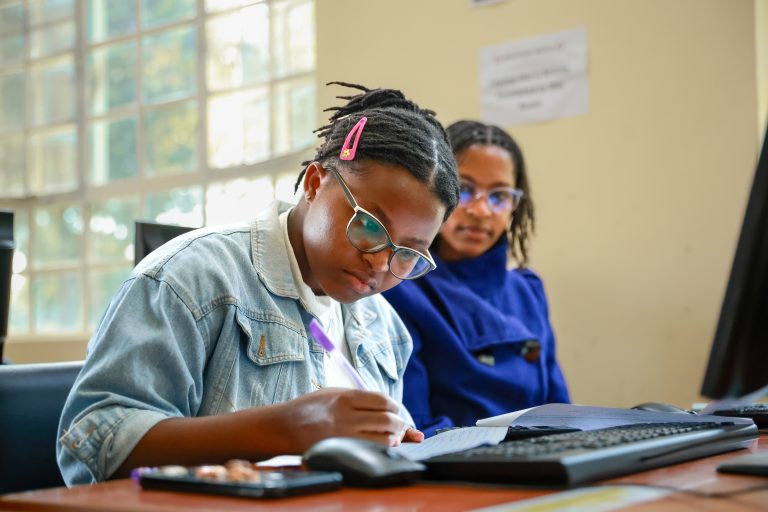
Women’s health is still under-researched and underfunded—but one way to change that is to empower young, diverse women to lead the science. In Kenya, the ENGAGE Project (Enabling Girls in AI and Growing Expertise in Data Science) trains girls to use AI and data analysis to solve real public health challenges—from improving maternal care to preventing HIV. Partnering with regional universities, ENGAGE gives high school students from both cities and rural areas access to cutting-edge skills and leadership training. Nearly 500 girls have already joined, preparing them to shape the future of healthcare.
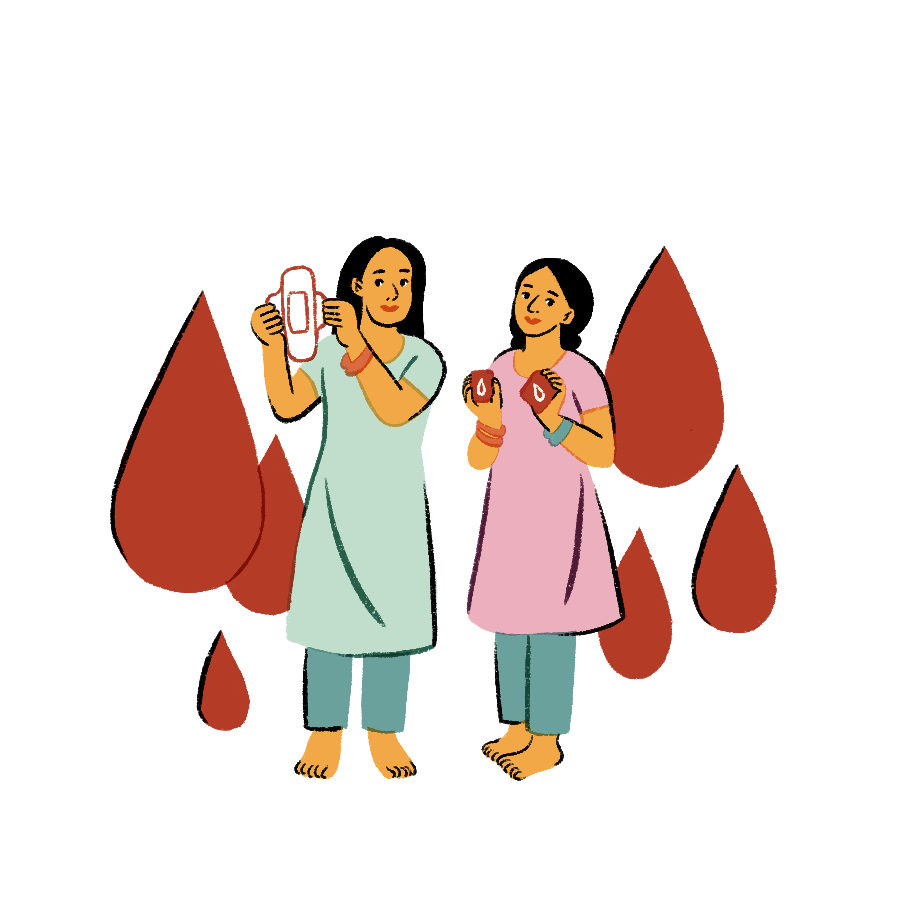
One in four teens in the United States struggles to afford period products, a third of girls in Egypt didn’t know about periods till they got theirs, and girls in The Gambia skip school up to five days a month because they don’t have pads. Yet, advocacy and empowerment programs led by women and girls are driving change. Across the world, action to end period poverty is reducing school absenteeism, building confidence, and restoring dignity for millions.
Scotland
Scotland became the first country to make period products free by law in 2021. Three out of four girls and women who take part say the program reduces stress and helps them keep up with daily activities.
India
Eco-Femme, a women-led social enterprise employs 35 women to make and sell organic, reusable period products—and has donated eco-friendly pads to over 100,000 girls in need.
Kenya
Kenya began removing taxes on period products in 2004 and has provided free pads in schools since 2017. One study showed school absenteeism dropped by 8%.
United States
Born out of teen activism a decade ago, PERIOD has given away enough products to cover six million periods and sends starter kits to girls who want to fight period poverty and stigma.
Sources: UN Women, Columbia University, Scottish Government, EcoFemme, PERIOD.
CHAMPION OF CHANGE
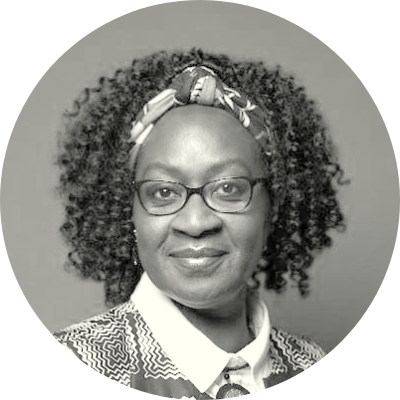
Each year, 12 million girls are married before they turn 18. Dr. Faith Mwangi-Powell is working to change that. As CEO of Girls Not Brides, she leads a committed team that supports a global partnership of more than 1,400 organizations across nearly 100 countries—all committed to ending child marriage and empowering girls to make their own choices. Girls Not Brides doesn’t run programs directly. Instead, it strengthens, connects, and amplifies local efforts already making a difference—initiatives that keep girls in school, expand their economic opportunities, and prevent gender-based violence. These programs recognize that ending child marriage also means tackling its root causes, from poverty to unequal access to education and health. These efforts also engage boys and men as allies, encouraging communities to question harmful traditions and stand up for equality. And change is spreading: countries like England and Colombia have recently banned marriage before 18, while Nepal and Malawi have developed national strategies to end child marriage. “Girls Not brides started through a small group of people coming together in solidarity to end child marriage,” says Faith. “This is now a global partnership of over 1400 members across over 100 countries.”
When a girl finds her voice, the world starts to listen.
CHAMPION OF CHANGE

At just 16, Ashley Lashley of Barbados was already leading school campaigns to encourage healthy eating. A decade later, she’s a youth advisor on climate change to the Secretary General of the United Nations and her Ashley Lashley Foundation mentors young people around the world to take action at the intersection of climate and health. Ashley’s journey—from a Caribbean classroom to the global climate stage—shows how one determined voice can move from local change to international impact. Growing up in the Caribbean, Ashley learned how small island nations like her own were especially vulnerable to the rise of diseases like diabetes, as well as the devastating impact of climate change. Her activism began with school health clubs and grew into building a global network of youth leaders spanning Africa, the Americas, and Asia. Through projects like the HEY Campaign (Healthy and Environmentally Friendly Youth) and Safe Coast Spin disaster-preparedness training, Ashley and her foundation empower young people to turn concern into capacity. “When we speak with unity, strategy, and authenticity,” she says, “the world has no choice but to listen.”
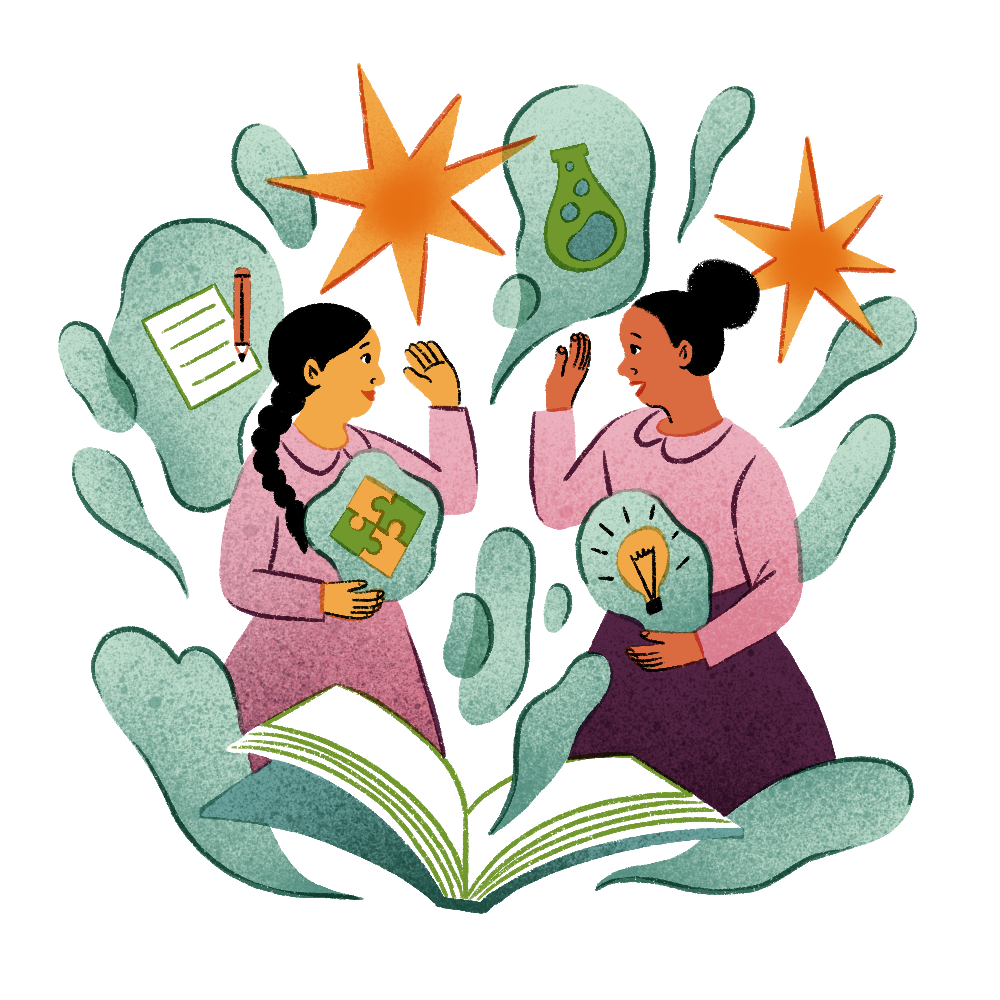
Today, more and more initiatives recognize the power each girl holds to shape the future. But in communities around the world, many girls' empowerment programs still struggle to fund and connect their efforts. That’s where the power of partnerships comes in. Across continents, global networks are amplifying girls’ leadership. UN Women’s Generation Equality initiative unites governments, community organizations, and youth-led movements to accelerate progress on gender equality. UNICEF’s Girl Up campaign and The Obama Foundation’s Girls Opportunity Alliance create mentorship pipelines and platforms for girls to influence policies that affect their lives—from climate action to safety from violence. These collaborations prove that when institutions work with—not just for—young women, change multiplies.
CHAMPION OF CHANGE
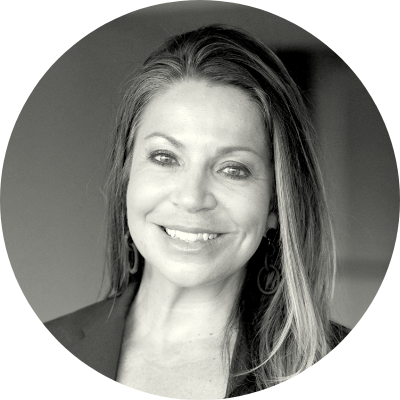
As Executive Director of The Obama Foundation’s Girls Opportunity Alliance, Tiffany Drake leads a global network that connects thousands of grassroots organizations working to empower and educate girls. Launched out of Michelle Obama’s Let Girls Learn initiative, the Alliance has brought together more than 4,000 organizations in over 30 countries, funding 120+ local projects and reaching an estimated 120,000 girls—from Chicago classrooms to rural schools in Malawi. Tiffany believes real progress happens when people unite across borders. Under her leadership, the Alliance hosts international convenings—from Mauritius to Tanzania—to help small, community-led initiatives learn from one another, share resources, and expand their reach. Her team also works with students in the U.S., encouraging girls to take civic action and support their peers globally—whether through bake sales, school projects or online fundraisers and awareness campaigns. “When you support an educated girl, you're not even just supporting that girl. You're supporting her family, her community, and her whole country,” says Tiffany. “And honestly, our whole entire world is more stable when girls are educated.”
SOLUTION SPOTLIGHT
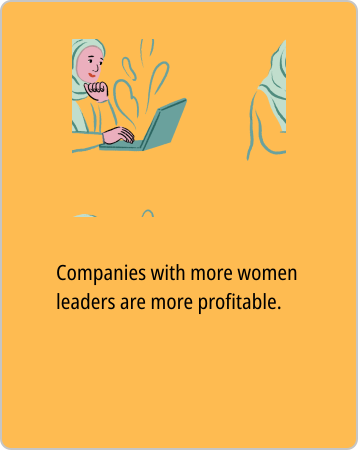
Founded in 2015 by Melinda French Gates—one of the world’s leading philanthropists and advocates for girls and women—Pivotal Ventures is reimagining women’s power. Pivotal provides millions of dollars in early financing to help promising women-led companies realize their high potential to grow. Only a tiny portion of such venture capital funding goes to startups led by all-women teams, and over 80% of funding goes to founding teams with no women at all. Pivotal’s goals? To speed up the expansion of women’s power and influence and to prove that investing in women isn’t charity—it’s smart growth.
Another strategy is to back companies that research under-funded women’s health conditions, in order to fast-track breakthroughs that typically take decades. Through investing, mentorship, and advocacy, Pivotal Ventures helps build infrastructure for change—so the next generation of women can lead in health, business, policy, and beyond.
From village classrooms to national parliaments, from boardrooms to rainforest trails, empowered women are changing how societies think, work, and protect the planet. Each reform, each new leader, and each girl who rises builds momentum for a better, more equitable world.
Illustrations by Nhung Le